

 English
 中文简体
中文简体 Deutsch
 عربى
عربى-
Flanged Self-Lubricating Bearings: Design, Materials, and Selection GuideAnyone who has crawled under a machine with a grease gun knows the feeling: the fittings sit in the worst possible place, and the maintenance schedul...+ View More -
Copper Alloy Wear-Resistant Plate: Alloys, Selection Guide and ApplicationsAnyone who has spent time on a plant floor knows that wear rarely announces itself. It shows up as a machine that slowly stops holding tolerance, a g...+ View More -
Copper Alloy Curved Slider: Materials, Design Tips & Custom ManufacturingA copper alloy curved slider is a small part with a large job. It is the arc-shaped bronze or brass block that rides along a curved guideway, takes t...+ View More -
Copper Alloy Self-Lubricating Sliding Bearings: Types, Selection & DesignMost sliding bearings do not fail because the load was too high. They fail because the lubricant stopped arriving. A missed grease interval, a plugge...+ View More -
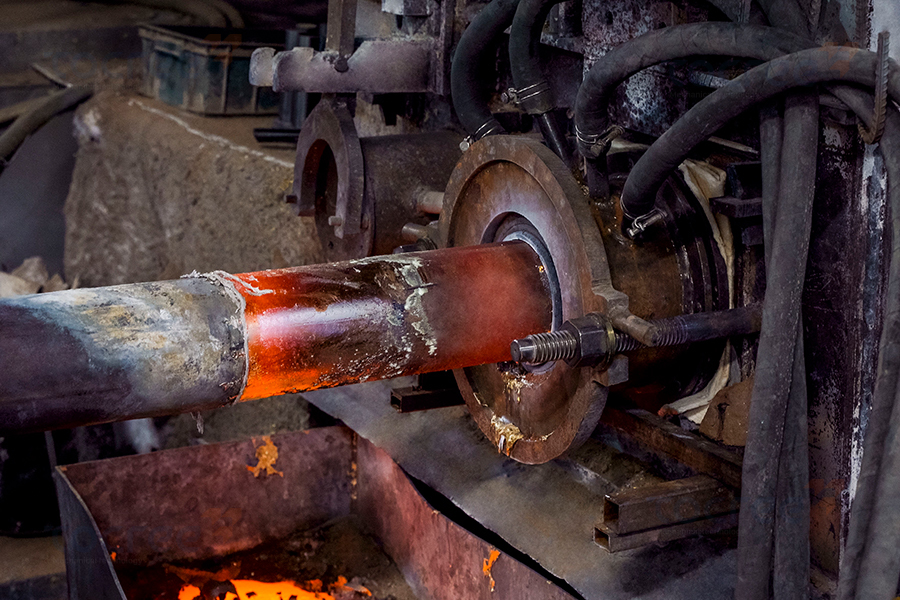
Aluminum Bronze Sliding Bearings: Properties, Design, and Selection GuideA steel mill contacted Jiashan Tocree Machinery about a bearing that kept failing on a billet transfer arm. The original bushing was a leaded tin bro...+ View More -
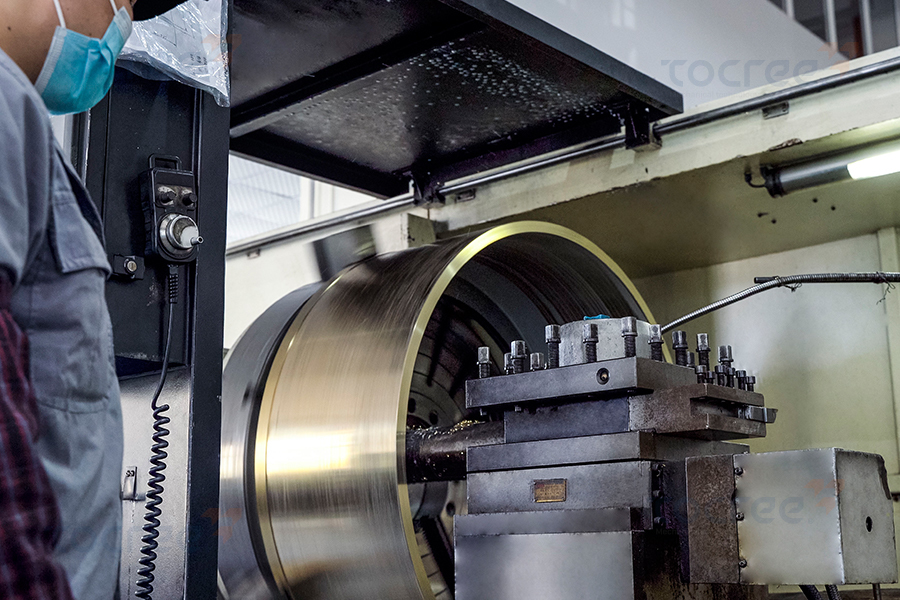
Aluminum Bronze Graphite Bushings: Selection, Sizes, and Custom Buying TipsImagine a die-casting machine that runs for three shifts, six days a week. The guide bushings in the toggle mechanism need grease every few hours, bu...+ View More -
Aluminum Bronze Bushing Specifications: Alloys, Machining, and Selection GuideWhen a shaft scores inside a bushing long before the warranty period ends, the failure often gets blamed on the material itself. In my experience wit...+ View More -
Copper Bearing Pads: What They Are and Why They Matter for Heavy EquipmentWhat Are Copper Bearing Pads and Why Engineers Trust Them Copper bearing pads are flat or curved support components made mainly from copper alloys, of...+ View More -
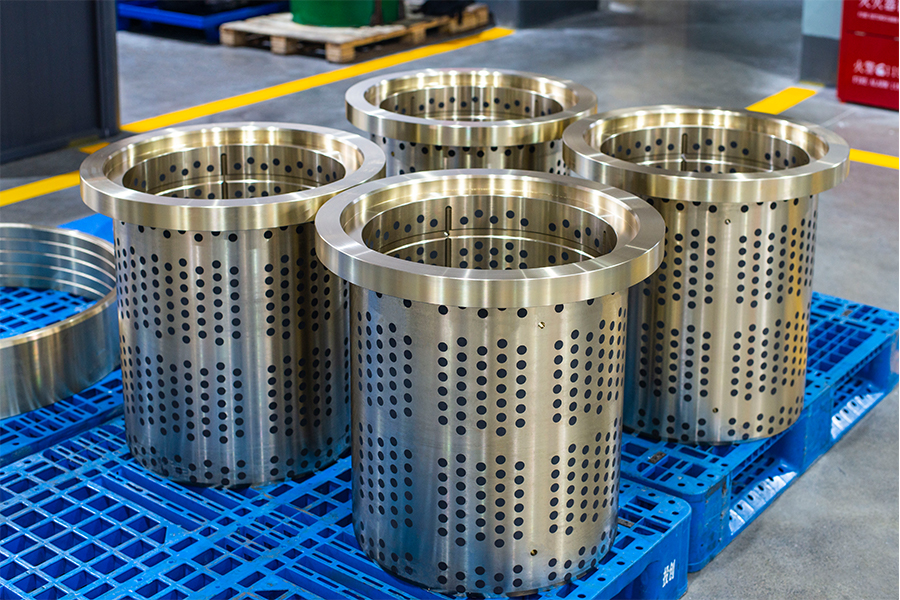
Copper Alloy Turbine Parts: Why They Last Longer and Perform BetterWhat Exactly Is a Copper Alloy Turbine Component? When people talk about a copper alloy turbine, they're usually referring to turbine parts — blades, ...+ View More -
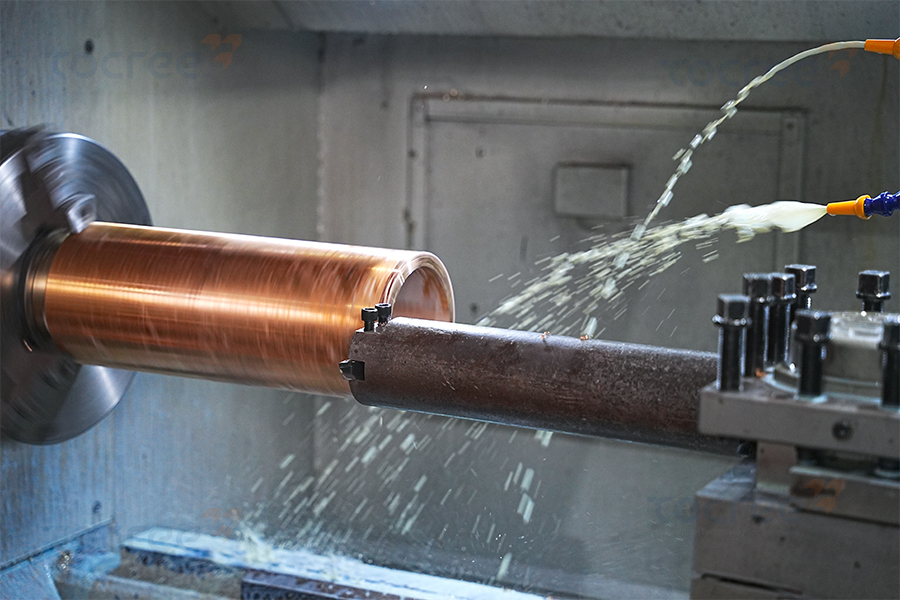
Brass Special-Shaped Slider: What It Is and How to Choose the Right OneWhat Exactly Is a Brass Special-Shaped Slider? A Brass Special-Shaped Slider is a precision-machined component made from brass that doesn't follow a s...+ View More -
What Is a Large Bimetallic Threaded Bushing and Why Do Heavy Machines Need It?What Is a Large Bimetallic Threaded Bushing and Why Is It Used? A large bimetallic threaded bushing is a heavy-duty mechanical component made from two...+ View More -
Double Flanged Brass Bushing Explained: A Simple Guide to Choosing and Installing It RightWhat Is a Double Flanged Brass Bushing? A double flanged brass bushing is a cylindrical sleeve made from brass that features a flange, or raised rim, ...+ View More
Copyright © 2025 Jiashan Tocree Machinery Co., Ltd. All Rights Reserved.
Customized Copper Alloys Machinery Parts
