

 English
 中文简体
中文简体 Deutsch
 عربى
عربىFor any questions and feedback from customers, we will reply patiently and meticulously.
Product Overview The Square Tin-Bronze Nut is a critical wear-resistant component engineered for hea...
Copper bearing pads are flat or curved support components made mainly from copper alloys, often blended with tin, lead, or aluminum to boost strength and wear resistance. They sit between two moving or load-bearing surfaces, letting one part slide, rotate, or shift slightly while carrying heavy weight. Because copper naturally resists corrosion and conducts heat well, these pads hold up in tough conditions where plain steel or plastic would wear out fast.
You'll find copper bearing pads doing quiet but critical work in bridges, industrial presses, marine equipment, and heavy machinery. They're not flashy parts, but when one fails, the whole structure or machine can suffer misalignment, vibration, or even structural damage. That's why picking the right copper bearing pad and maintaining it properly matters so much.
At their core, copper bearing pads reduce friction between two surfaces that need to move relative to each other. Instead of metal grinding directly against metal, the pad acts as a buffer. Copper alloys have a naturally low coefficient of friction, so they let surfaces glide smoothly without generating excessive heat or wearing down quickly.
A well-designed copper bearing pad spreads weight evenly across its surface. This prevents pressure from concentrating in one spot, which would otherwise crack the pad or damage the surrounding structure over time.
Copper's high thermal conductivity means heat generated from friction disperses quickly instead of building up. This keeps the pad and the surrounding components at a stable temperature, which extends their working life significantly.
Unlike plain carbon steel, copper alloys form a protective oxide layer that slows down rust and chemical degradation. This is especially valuable in marine or outdoor environments where moisture is a constant threat.
Not all copper bearing pads are built the same. Manufacturers adjust the alloy mix and shape depending on the load, movement type, and environment. Here are the most common varieties:
Copper bearing pads show up in more places than most people realize. Their combination of strength, heat tolerance, and corrosion resistance makes them a go-to solution across several industries.
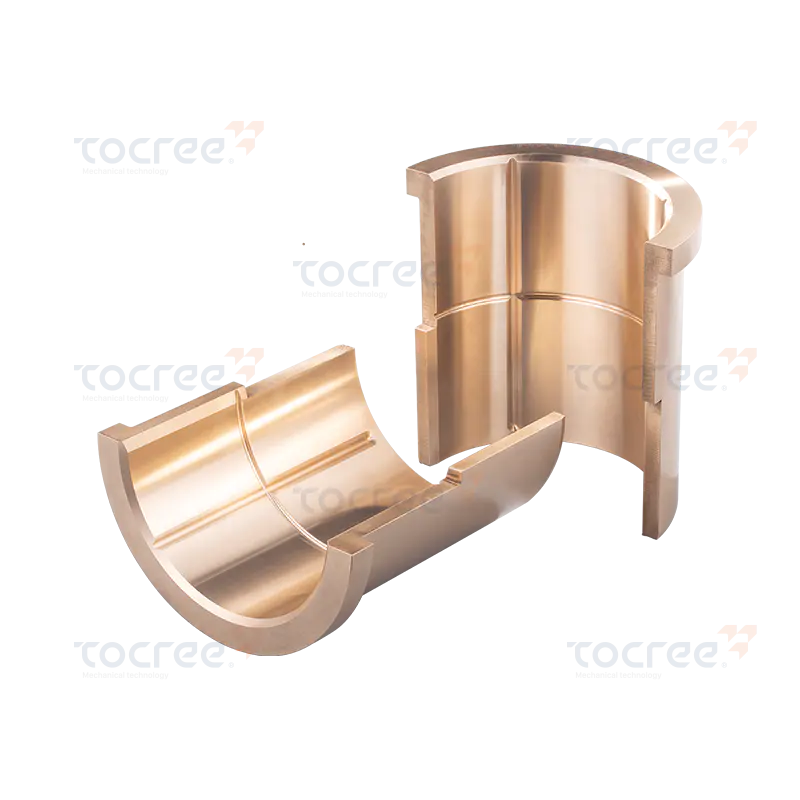
Engineers often weigh copper bearing pads against steel, plastic, or composite bearings. Copper tends to win out in demanding applications for a few clear reasons.
| Factor | Copper Bearing Pads | Steel Bearings | Plastic Bearings |
| Corrosion Resistance | High | Low | Moderate |
| Load Capacity | High | High | Low |
| Thermal Conductivity | Excellent | Moderate | Poor |
| Self-Lubrication | Yes (sintered types) | No | Sometimes |
| Typical Lifespan | Long | Moderate | Short |
This comparison shows why copper bearing pads are frequently specified for projects expected to last decades with minimal maintenance, especially in outdoor or high-load settings.
Getting the most out of copper bearing pads isn't just about picking a good product. Proper installation and routine care play a huge role in how long they last and how well they perform.
Before installing a copper bearing pad, the contact surfaces need to be clean, flat, and free of debris. Any dirt or unevenness can create hot spots that wear the pad down unevenly.
Misaligned pads carry uneven loads, which shortens their service life dramatically. Taking the time to align components correctly during installation pays off for years afterward.
Even the toughest copper bearing pads need periodic checks. Look for signs of cracking, discoloration, or excessive wear, and address small issues before they turn into costly repairs.
Selecting the correct copper bearing pad comes down to matching the pad's properties to your specific application. A few questions can guide the decision.
Answering these questions honestly helps narrow down whether a bronze-copper, leaded copper, or copper-nickel pad fits best. When in doubt, consulting with a bearing supplier who understands your load and environmental conditions can save both time and money down the road.
Even quality copper bearing pads can run into trouble if conditions aren't managed well. Knowing the warning signs helps you catch issues early.
Usually caused by misalignment or insufficient lubrication, excessive wear shows up as thinning or flattening of the pad surface. Realigning components and switching to a self-lubricating variant often solves this.
While copper resists corrosion better than steel, prolonged exposure to harsh chemicals or saltwater can still cause pitting. Switching to a copper-nickel alloy pad typically improves resistance in these environments.
This often points to an undersized pad for the actual load being carried. Reviewing load calculations and upgrading to a thicker or higher-strength alloy pad usually resolves the issue.
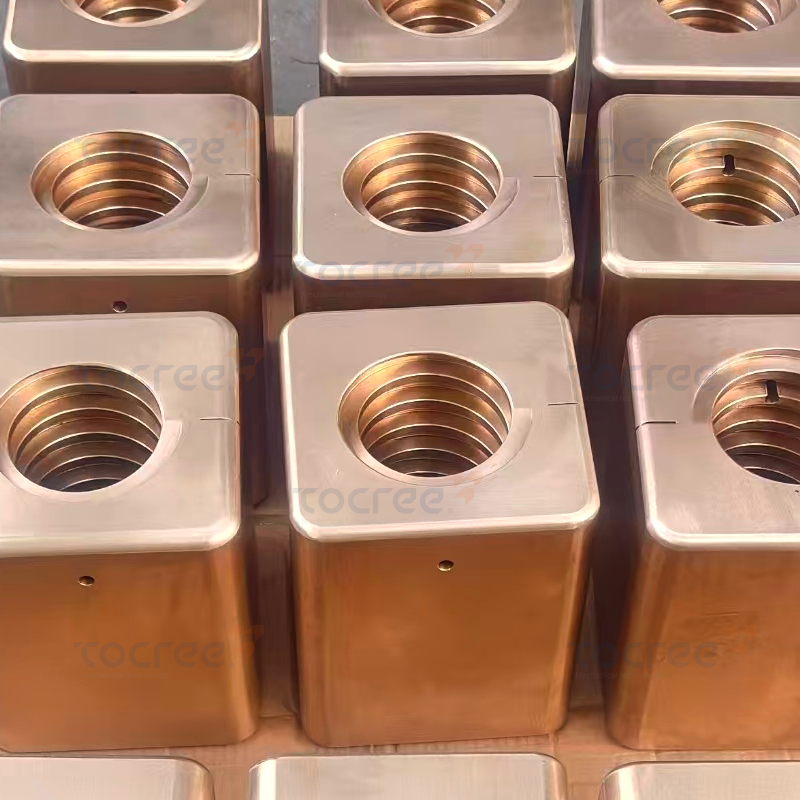
Product Overview The Square Tin-Bronze Nut is a critical wear-resistant component engineered for hea...
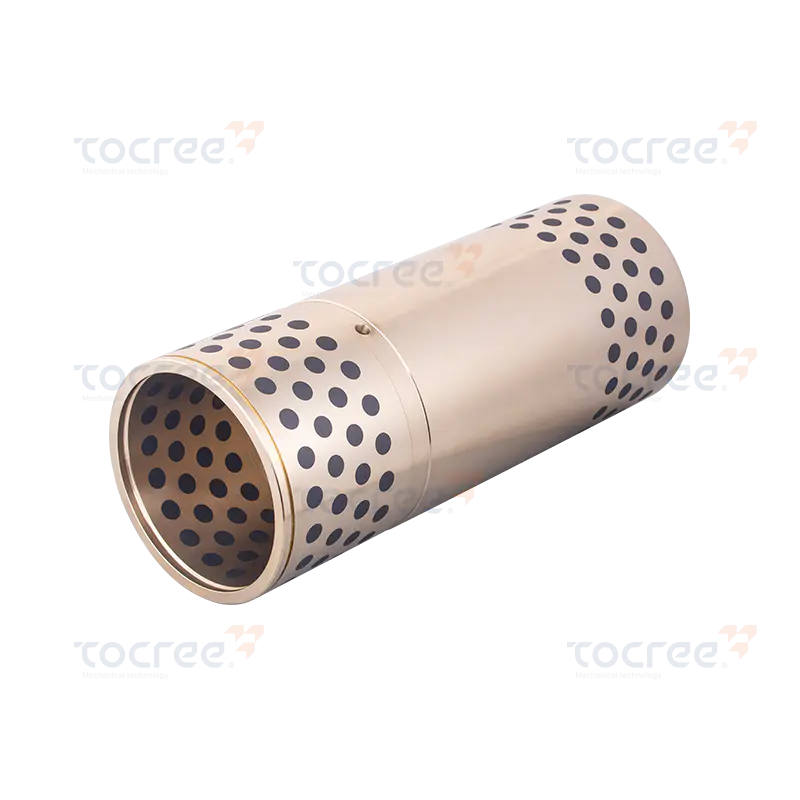
Material structure: Cast aluminum brass CuZn25Al6Fe3Mn3, with graphite insert. Application features:...
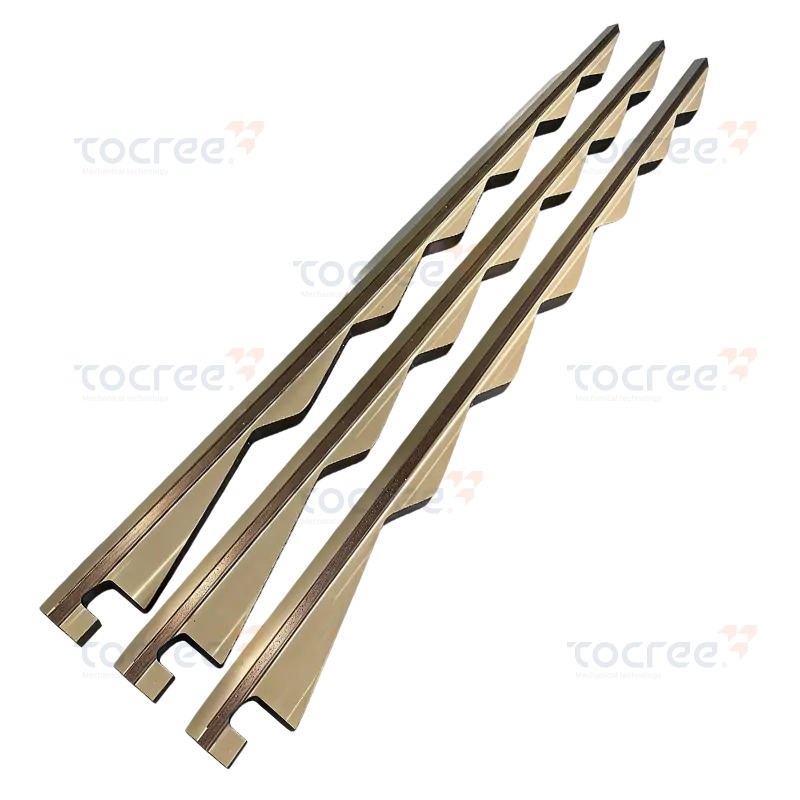
This copper slider is precisely machined from high-performance copper alloy tin bronze as the base ...
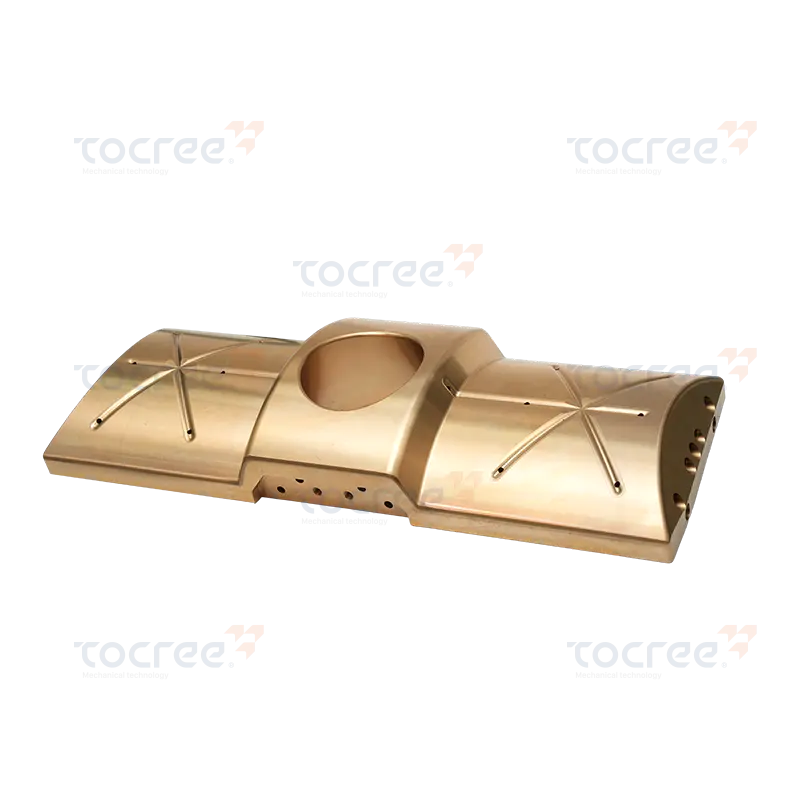
The Copper alloy curved slider is made of high-performance tin bronze as the base material and is ca...
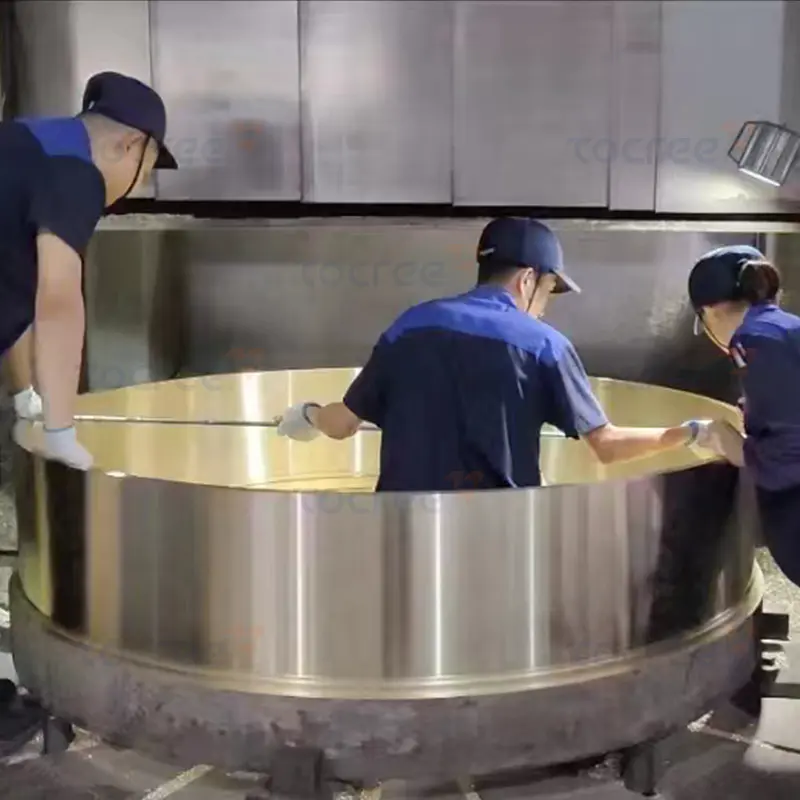
This high-performance brass single flange sleeve is specially designed for large industrial bearings...
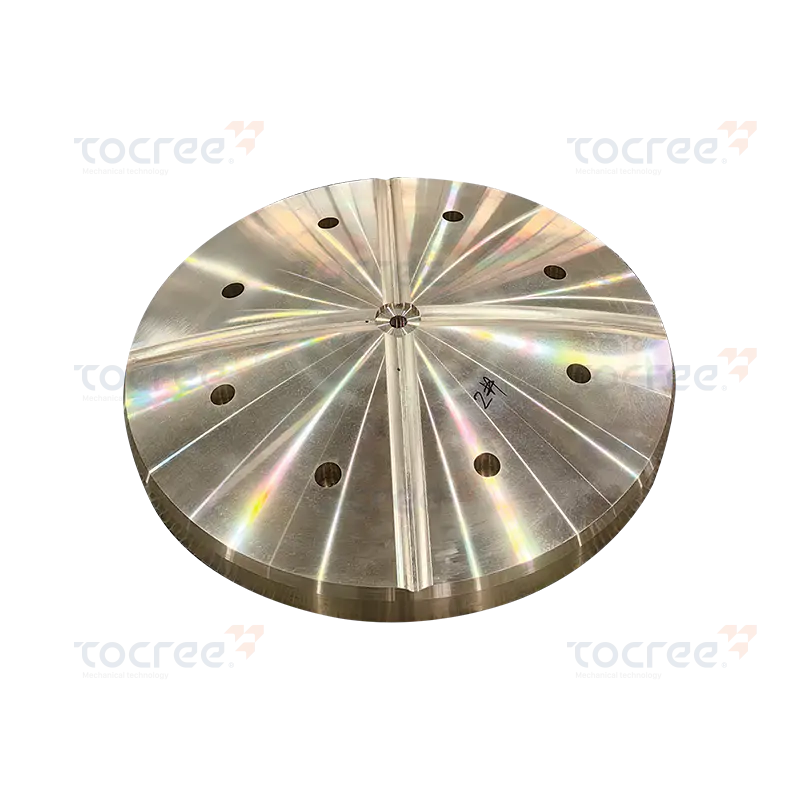
The copper-based spherical thrust plate is a high-performance copper alloy component, made from tin ...
Copyright © 2025 Jiashan Tocree Machinery Co., Ltd. All Rights Reserved.
Customized Copper Alloys Machinery Parts
