

 English
 中文简体
中文简体 Deutsch
 عربى
عربىFor any questions and feedback from customers, we will reply patiently and meticulously.
Copper alloy turbines are indispensable components in modern mechanical and energy systems. The matc...
When people talk about a copper alloy turbine, they're usually referring to turbine parts — blades, impellers, bushings, bearings, or wheel housings — made from copper mixed with other metals like tin, aluminum, nickel, or zinc. Pure copper is soft and wears down fast, so engineers rarely use it alone in high-stress rotating equipment. Instead, they blend it with other elements to create alloys that keep copper's best traits, like excellent heat and electrical conductivity, while adding strength, hardness, and resistance to wear. This combination makes copper alloy turbine parts a popular choice across power generation, marine propulsion, aerospace, and industrial pumping systems.
The reason copper alloys keep showing up in turbine manufacturing isn't accidental. Turbines operate in tough environments — high temperatures, constant vibration, exposure to steam, seawater, or corrosive gases. A material that can't handle that kind of punishment will fail fast, leading to costly downtime. Copper alloys have earned their spot because they strike a rare balance: they're tough enough to survive mechanical stress but still resist the chemical attacks that ruin lesser metals.
Not all copper alloys are the same, and picking the right one depends heavily on what the turbine will face day to day. Below are the alloy families most commonly found in turbine applications.
Bronze is one of the oldest engineered alloys, and it still earns its place in modern turbine design. Adding tin to copper significantly boosts hardness and wear resistance, which is why bronze turbine bushings and bearings are so common. Bronze also resists saltwater corrosion remarkably well, making it a go-to choice for marine turbines and ship propulsion systems.
Brass trades some of bronze's toughness for better machinability and a lower cost. It's frequently used in smaller turbine components like valve bodies, fittings, and low-load structural parts where precision machining matters more than extreme wear resistance.
Aluminum bronze is the heavy-duty option. It holds up under high mechanical stress and resists corrosion even in aggressive chemical environments, which is why it's often chosen for steam turbine blades and high-pressure industrial turbines.
When biofouling and seawater corrosion are the main concerns, copper-nickel alloys step in. These are widely used in offshore and marine turbine systems because they resist the buildup of barnacles and other marine growth better than most metals.
There's a practical reason copper alloys keep winning out over cheaper alternatives in turbine manufacturing. Here's what makes them stand out:
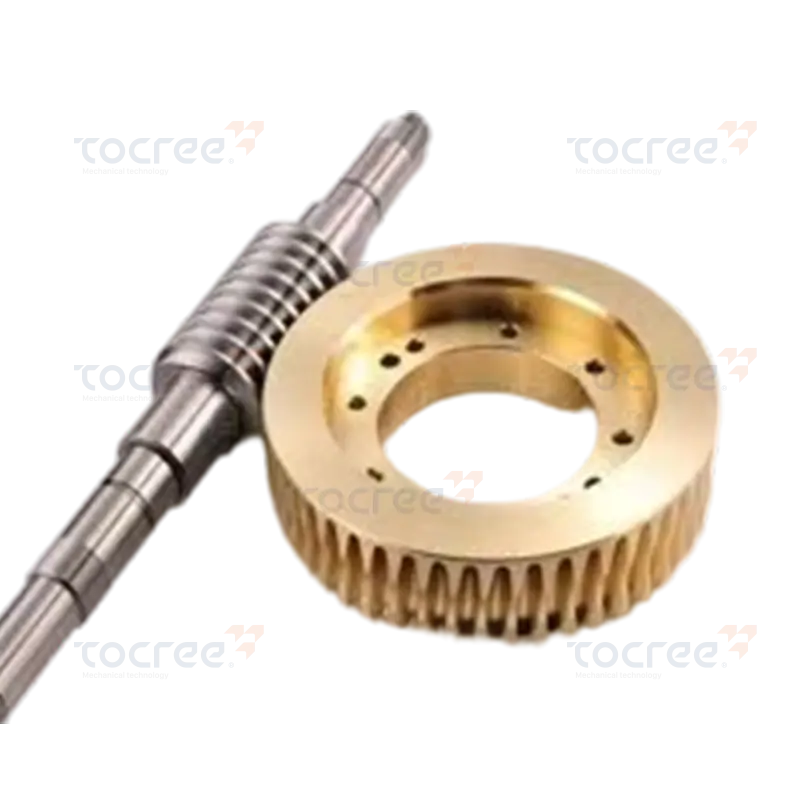
Choosing the right copper alloy turbine material comes down to matching the alloy's strengths to the operating environment. The table below offers a quick side-by-side comparison.
| Alloy Type | Key Strength | Best Suited For |
| Bronze (Cu-Sn) | Wear and saltwater resistance | Bearings, bushings, marine turbines |
| Brass (Cu-Zn) | Machinability, cost efficiency | Valves, fittings, low-load parts |
| Aluminum Bronze | High strength, chemical resistance | Steam turbine blades, high-pressure systems |
| Copper-Nickel | Biofouling and corrosion resistance | Offshore and marine turbine systems |
Copper alloy turbine components show up in more places than most people realize. In power plants, steam turbines rely on copper alloy bearings and bushings to keep massive rotating shafts running smoothly for decades. In the marine industry, ship propulsion turbines and pump systems use bronze and copper-nickel parts specifically because seawater destroys ordinary steel components within a few years. Hydroelectric turbines also lean on copper alloys for their wicket gates and bushings, since constant water exposure demands serious corrosion resistance.
Even smaller-scale industrial turbines, like those used in HVAC systems, chemical processing plants, and oil refineries, often incorporate copper alloy valve components and seals. The common thread is exposure to moisture, heat, or corrosive substances — exactly the conditions copper alloys are built to handle.
Even the best copper alloy turbine components need proper care to reach their full lifespan. A few practical habits can make a significant difference in performance and longevity.
Following these steps won't just protect the copper alloy parts themselves — it protects the entire turbine system, since a single failed bushing or blade can trigger a much larger and costlier breakdown.
Not every manufacturer produces turbine-grade copper alloy components to the same standard. When sourcing parts, it's worth checking for certifications like ASTM or ISO material standards, verifying the supplier's casting or forging process, and asking for documentation on alloy composition. A reputable supplier should be able to explain exactly why a specific copper alloy fits your turbine's operating conditions rather than offering a one-size-fits-all recommendation. Taking the time to vet suppliers upfront saves significant headaches — and money — down the road.

Copper alloy turbines are indispensable components in modern mechanical and energy systems. The matc...
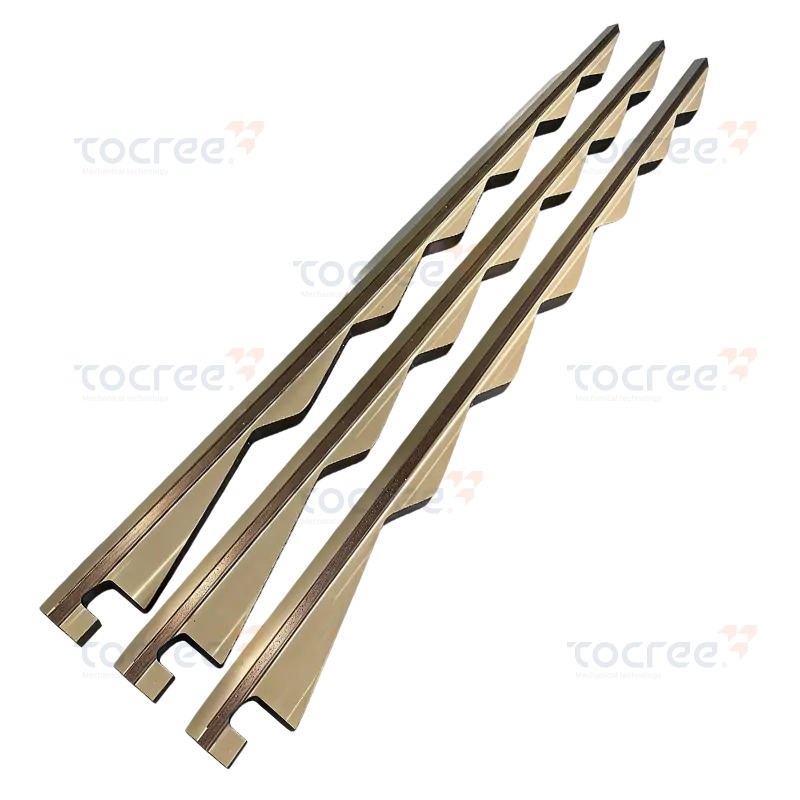
This copper slider is precisely machined from high-performance copper alloy tin bronze as the base ...
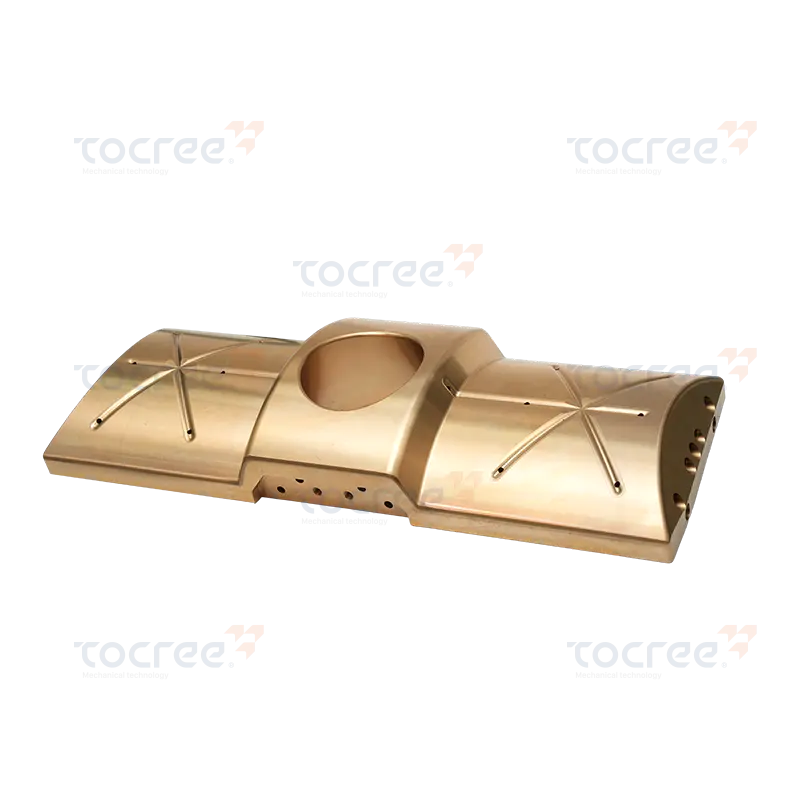
The Copper alloy curved slider is made of high-performance tin bronze as the base material and is ca...
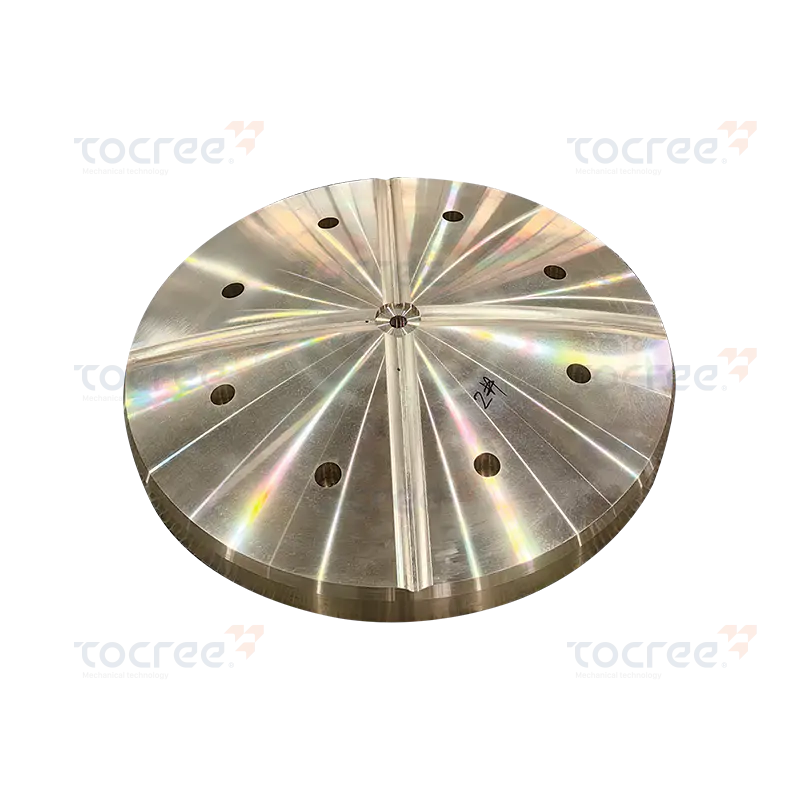
The copper-based spherical thrust plate is a high-performance copper alloy component, made from tin ...
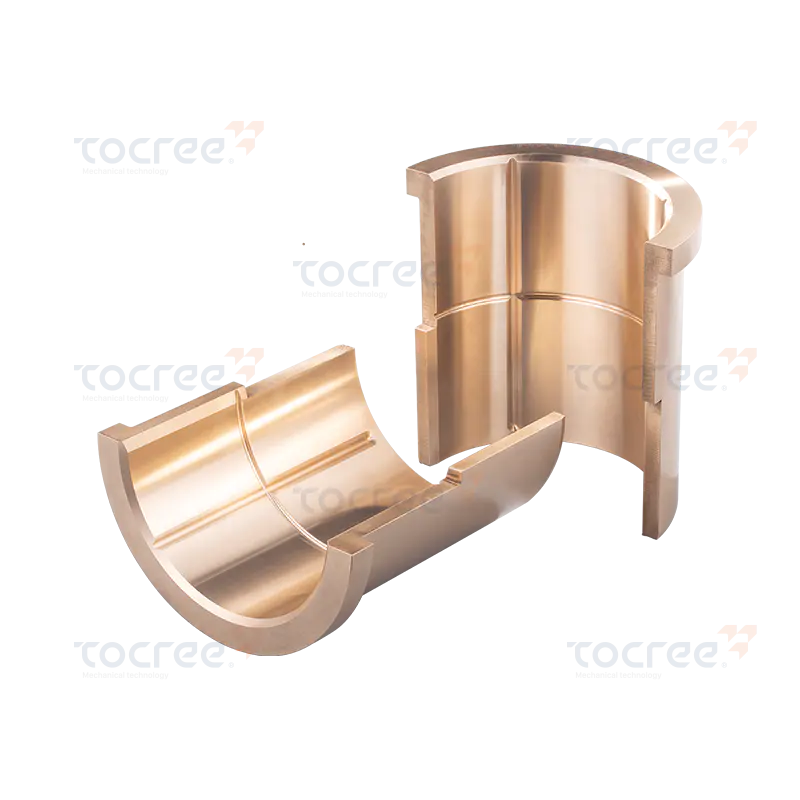
This copper bushing is precisely manufactured from high-quality tin bronze as the base material. It ...
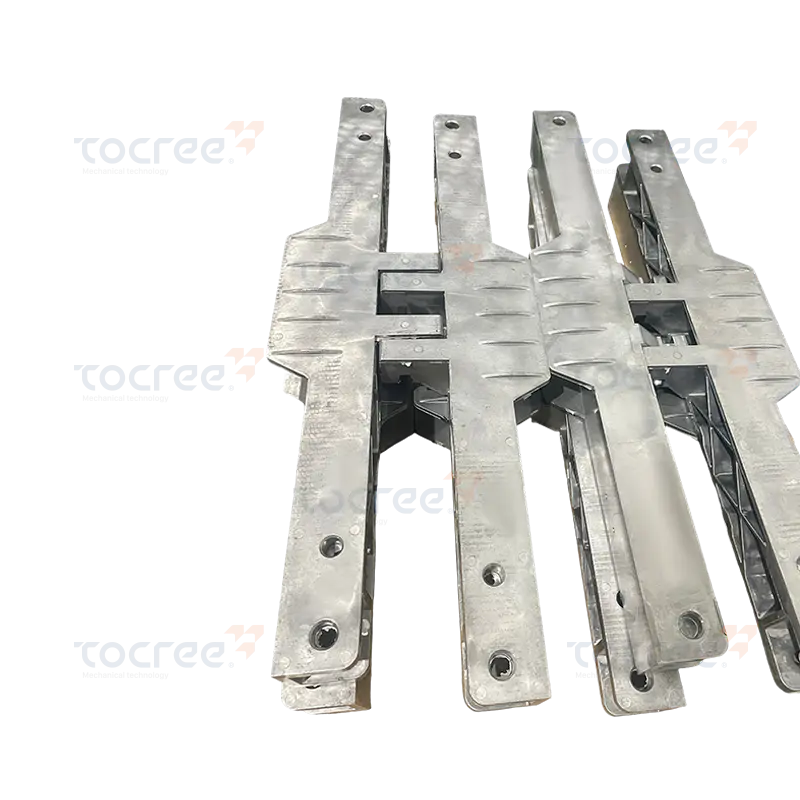
This aluminum alloy frame is specially designed to meet the application requirements of the vehicle....
Copyright © 2025 Jiashan Tocree Machinery Co., Ltd. All Rights Reserved.
Customized Copper Alloys Machinery Parts
