

 English
 中文简体
中文简体 Deutsch
 عربى
عربىFor any questions and feedback from customers, we will reply patiently and meticulously.
The Copper-Steel Bimetal Thrust Plate is a high-performance component designed for demanding mechani...
Anyone who has spent time on a plant floor knows that wear rarely announces itself. It shows up as a machine that slowly stops holding tolerance, a guide that needs shimming every few months, or a slide that starts to chatter under load. A copper alloy wear-resistant plate is one of the quiet fixes for that problem, and it is the kind of part engineers appreciate more after they have lived with a bad alternative.
We are Jiashan Tocree Machinery, a copper alloy foundry and precision machining company based in Zhejiang, China. Since 2007 we have cast and machined wear plates, sliders, and bearing pads for equipment builders working in metallurgy, marine, mining, and die casting. Most of what follows comes from those projects rather than from a product catalogue.
A copper alloy wear-resistant plate is a cast and machined plate, typically made from tin bronze, aluminum bronze, or a harder brass, that provides a sacrificial sliding surface. It is bolted, keyed, or dovetailed onto a machine bed, a slideway, a press ram, or a bearing housing so that the plate wears instead of the expensive casting underneath it.
The difference from a steel wear plate is not simply hardness. Copper alloys behave differently at the contact point:
That combination is why copper alloy plates often outlast a harder but more brittle alternative, especially on equipment that sees shock loading, dust, or interrupted lubrication.
There is no single best alloy, and we usually steer customers away from choosing one out of habit. The table below summarizes the grades we cast most often for wear plates and the situations where each one earns its place.
| Alloy | Character | Where it fits best |
|---|---|---|
| Tin bronze CuSn8 | Good load capacity, easy to machine, moderate cost | General slideways, guide strips, light to medium loads |
| Phosphor bronze | Higher fatigue strength and finer grain | Bearing pads and wear strips under cyclic load |
| Aluminum bronze CuAl9Fe4 | High hardness and strength, resists shock | Heavy machinery, die casting, marine duty |
| Nickel tin bronze CuSn12Ni2 | Retains strength at temperature, seawater resistant | Metallurgical and offshore equipment |
| Brass HB210 to 270 | Cost effective, excellent machinability | Slider blocks, guides, lower-load applications |
Two practical notes. First, hardness alone is a poor selection criterion, because a very hard plate that cannot embed grit will often damage the shaft or rail it runs against. Second, if the plate also carries a structural load, a bimetallic design with a steel backing is frequently more economical than a thick solid bronze plate.
Wear plates rarely appear in isolation. They are usually one of several sliding components in a machine, and their performance depends on how the whole assembly behaves. Some of the environments where they matter most:
If your application sits in one of these industries, it is worth looking at how the whole assembly behaves rather than the plate alone. Our notes on metallurgical machinery applications cover a few of those assembly-level considerations, and they apply well beyond that one sector.
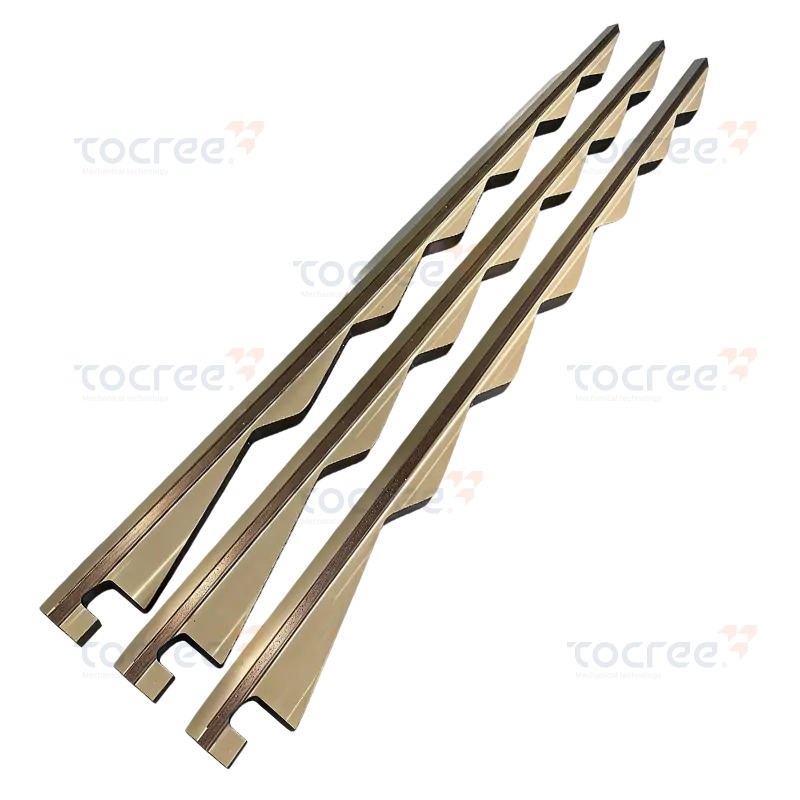 Tin Bronze Copper Slider for High-Load BearingsTin bronze copper slider for high-load, high-temperature, high-pressure mechanical bearings. It offers wear resistance, corrosion resistance, and thermal conductivity for demanding sliding components.View Product →
Not every wear point can be greased. Remote locations, sealed housings, medical equipment, and applications where oil contamination is unacceptable all push designers toward plates that lubricate themselves.
There are two common routes. The first is to cast the plate from a bronze with solid lubricant plugs, usually graphite, set into the sliding face. The graphite transfers a thin film across the counterface and keeps friction stable when the grease film is gone. The second is a bimetallic plate, where a steel backing carries the structural load and a thin copper alloy layer provides the sliding surface. That approach saves weight and cost on large plates.
Both designs are worth considering early in a project, because they change how the plate is fixed and how much thickness you need to leave for wear.
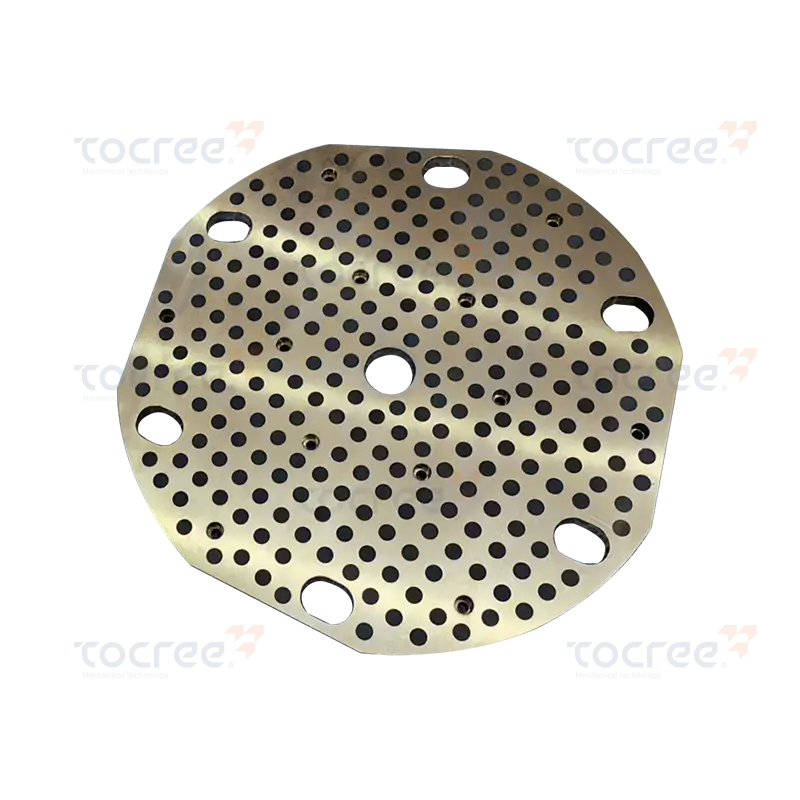 Graphite-Embedded Copper Lubricating Plate for Sliding SystemsGraphite-embedded copper-zinc lubricating plate for high-load, high-temperature sliding systems. It combines solid graphite lubrication with a high-tensile brass base for reduced friction and wear.View Product →
Most of the difficulties we see at the quotation stage come from missing information rather than from a wrong material choice. A drawing that answers the following questions usually gets an accurate quote on the first pass.
For plates that sit next to other sliding parts, it also helps to share the bearing pad or slider drawing at the same time, since these components normally wear together and are best matched as a set.
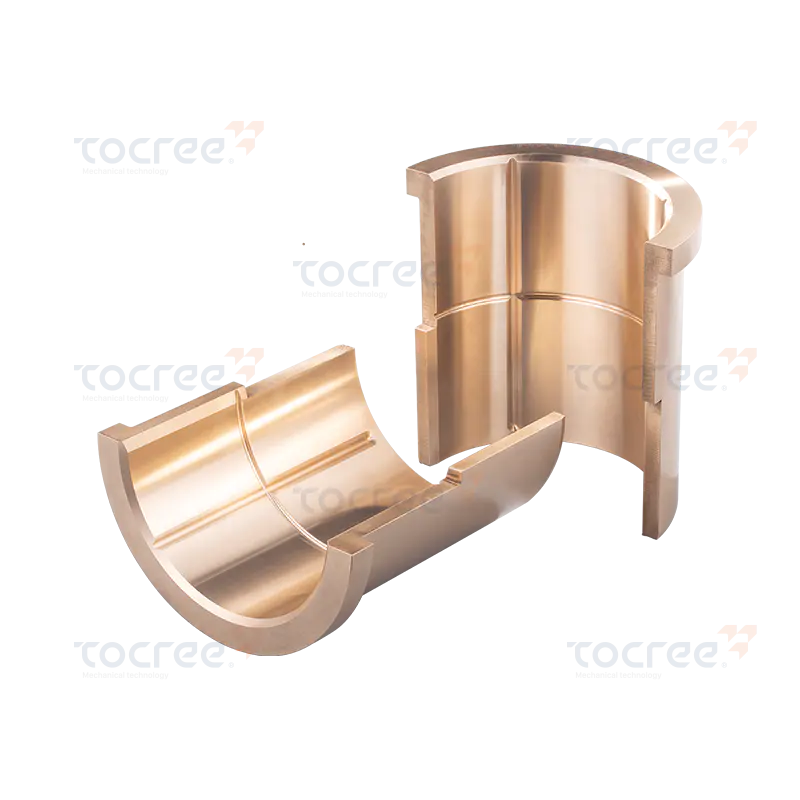 Tin Bronze CuSn12 Copper Bearing Pads for Industrial EquipmentPrecision tin bronze CuSn12 bearing pads for high-load, high-temperature bearing systems. Their wear resistance, corrosion resistance, and thermal conductivity suit harsh industrial equipment.View Product →
Two plates can meet the same drawing and still behave very differently in service. The variables that matter most are usually invisible on the drawing itself:
Because we melt our own copper alloys and machine the plates in the same facility, we can control these steps from the melt onward rather than inheriting someone else's casting. Our foundry produces around 2,300 tons of copper material a year, and our machining capacity covers plates up to 4 metres long, 400 mm wide, and 100 mm thick, along with bushings up to 1.5 to 2 metres in diameter for the large equipment that often uses them.
Copper alloy wear-resistant plates are not complicated parts, but they are easy to get slightly wrong, and the cost of a wrong choice tends to appear months later as unplanned downtime. If you are weighing two alloys or deciding between a solid plate and a bimetallic one, our guide to copper alloy wear-resistant plate types and how to choose them goes through the selection logic in more detail.
Send us a drawing, a load figure, and a description of the working environment, and we will tell you honestly which alloy and which construction we would use. Sometimes the answer is a standard plate from our range; sometimes it is a modified one. Either way, the answer comes from people who cast the material themselves.
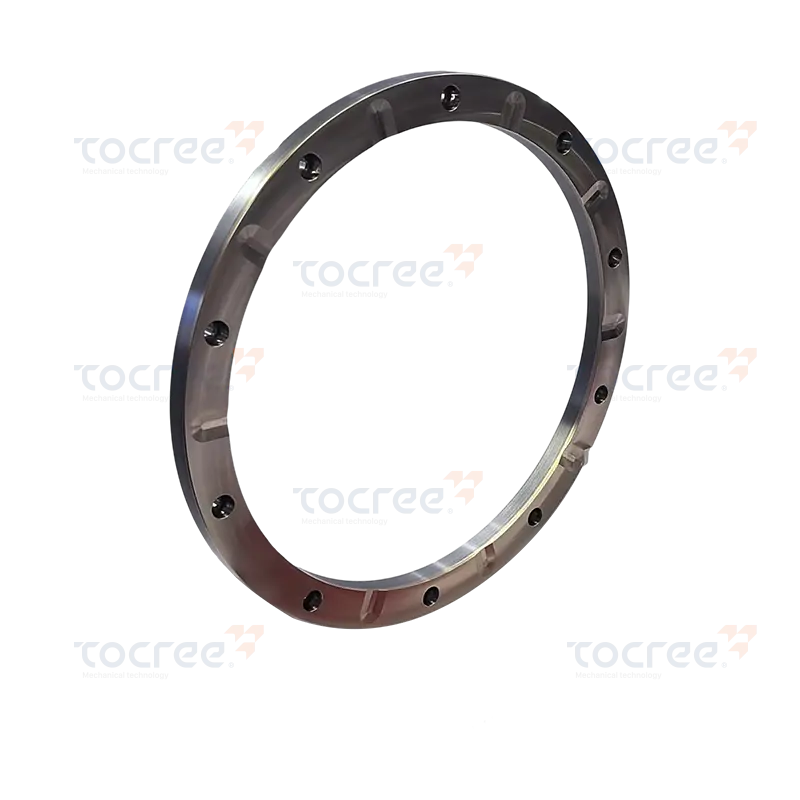
The Copper-Steel Bimetal Thrust Plate is a high-performance component designed for demanding mechani...

The copper-based graphite gasket is made of high-quality copper-zinc alloy as the base material. Its...

This copper slider is precisely machined from high-performance copper alloy tin bronze as the base ...
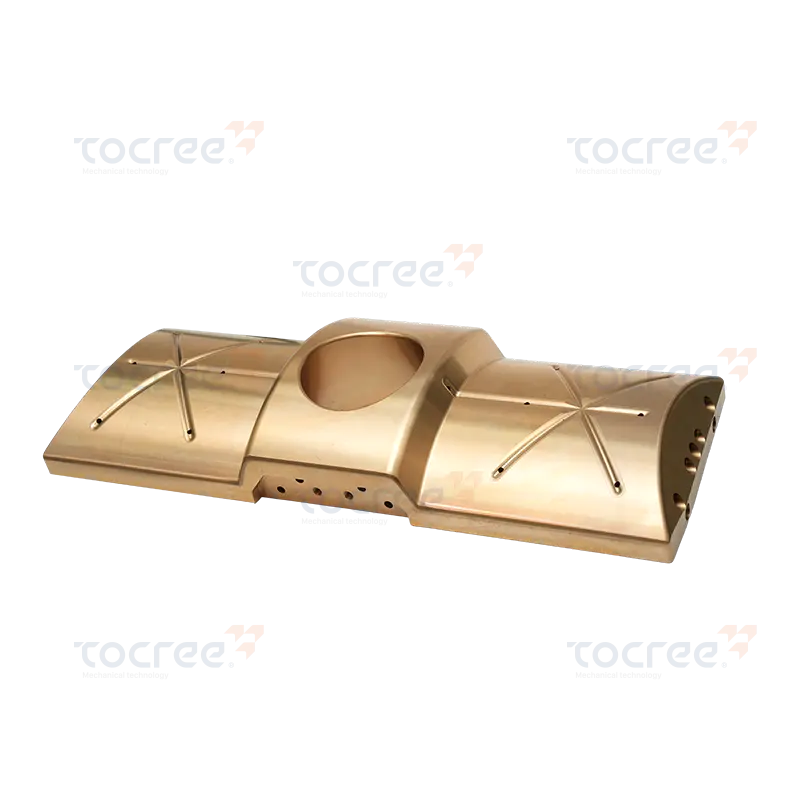
The Copper alloy curved slider is made of high-performance tin bronze as the base material and is ca...
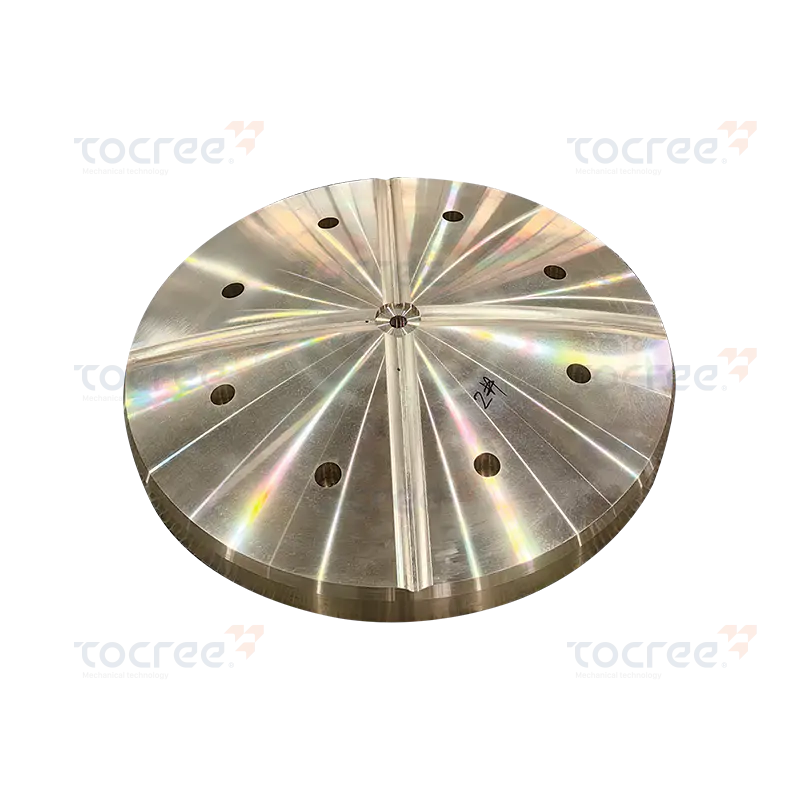
The copper-based spherical thrust plate is a high-performance copper alloy component, made from tin ...
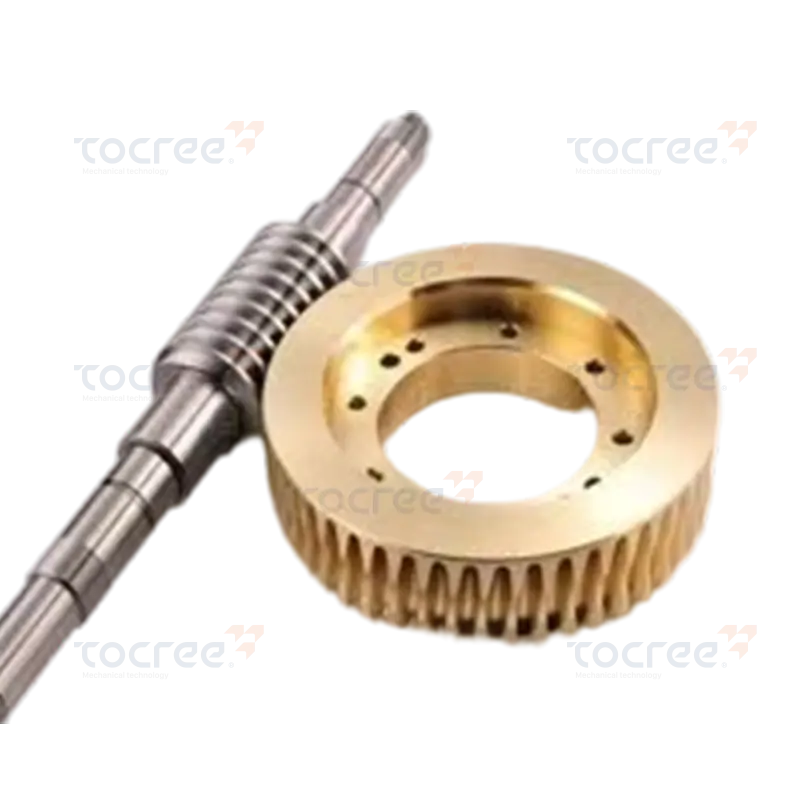
Copper alloy turbines are indispensable components in modern mechanical and energy systems. The matc...
Copyright © 2025 Jiashan Tocree Machinery Co., Ltd. All Rights Reserved.
Customized Copper Alloys Machinery Parts
