

 English
 中文简体
中文简体 Deutsch
 عربى
عربىFor any questions and feedback from customers, we will reply patiently and meticulously.
The double-flange brass bushing is a high-performance metal bushing, widely used in mechanical equip...
A large bimetallic threaded bushing is a heavy-duty mechanical component made from two different metal layers bonded together, typically a strong steel outer shell combined with a softer, wear-resistant inner lining such as bronze or copper alloy. The threaded design allows the bushing to be screwed directly into a mating part, providing a secure, precise fit without the need for press fitting or additional fasteners. This combination of materials gives the bushing the structural strength of steel on the outside while offering low-friction, self-lubricating properties on the inside where it contacts moving shafts or pins.
Because large bimetallic threaded bushings are engineered to handle heavy loads and continuous wear, they're commonly used in industrial machinery, construction equipment, and other applications where components experience significant mechanical stress. The bimetallic construction extends service life significantly compared to single-material bushings, since the wear-resistant liner reduces friction and heat buildup at the contact surface.
Understanding the construction of a large bimetallic threaded bushing helps explain why it performs so well under demanding mechanical conditions.
When selecting bushings for heavy-duty applications, engineers often compare large bimetallic threaded bushings to traditional solid bronze bushings. The table below outlines how the two options differ.
| Feature | Bimetallic Threaded Bushing | Solid Bronze Bushing |
| Load-bearing capacity | Higher, due to steel outer shell | Lower, limited by bronze strength |
| Material cost | Lower, less bronze required | Higher, solid bronze throughout |
| Installation method | Threaded, no press fitting needed | Typically press-fit |
| Wear resistance | Excellent at contact surface | Good, but wears throughout material |
| Best applications | Heavy machinery, construction equipment | Lighter industrial and general use |
Because of their strength and wear resistance, large bimetallic threaded bushings are found across a variety of heavy-duty industrial and mechanical applications.
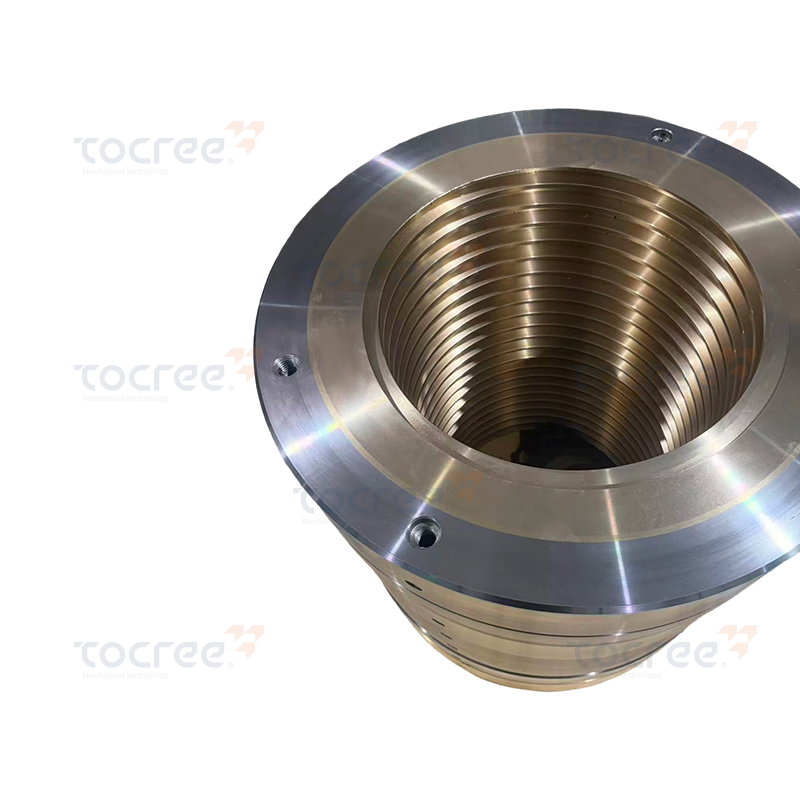
Choosing the correct bushing for a specific application involves evaluating several factors related to load, environment, and dimensional requirements.
Confirm the bushing's rated load capacity matches or exceeds the expected mechanical stress it will encounter in service, including both static and dynamic loads.
Verify the exact thread pitch, diameter, and length required to ensure a secure, precise fit with the mating component, since incorrect threading can compromise installation integrity.
Select a liner material suited to the operating environment, considering factors like temperature range, exposure to moisture, and compatibility with available lubrication.
Proper installation ensures a large bimetallic threaded bushing performs reliably and reaches its full expected service life.
Routine maintenance helps large bimetallic threaded bushings continue performing reliably under heavy operating conditions. Regular lubrication, following the manufacturer's recommended schedule and lubricant type, keeps friction low and prevents premature wear at the contact surface. Periodic inspection for signs of excessive play, unusual noise, or visible wear helps catch potential failures before they lead to costly equipment downtime. In dusty or contaminated environments, checking and cleaning around the bushing regularly also helps prevent abrasive particles from accelerating wear between the liner and the mating shaft.
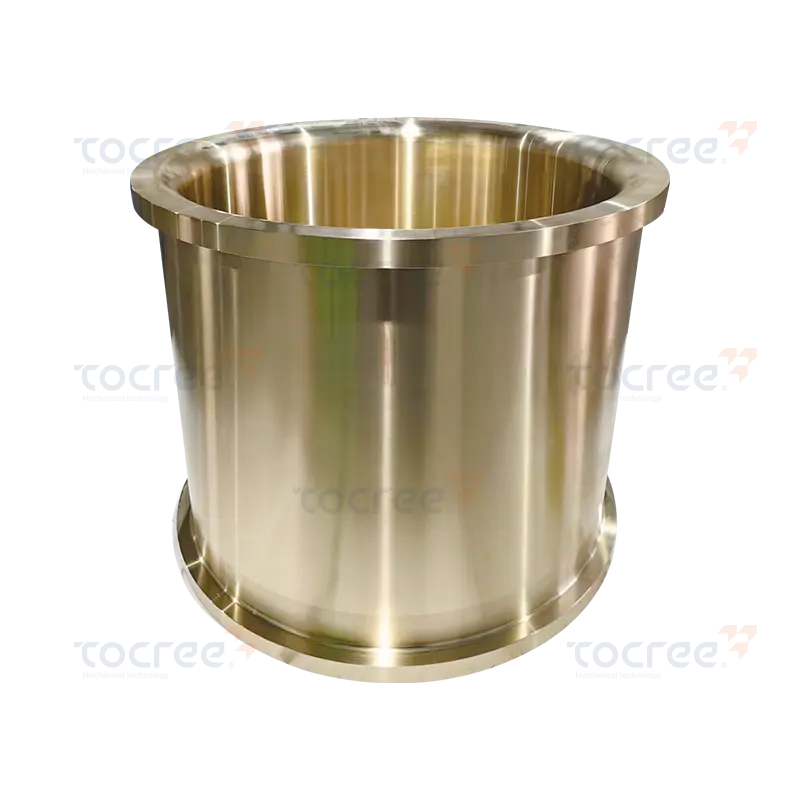
The double-flange brass bushing is a high-performance metal bushing, widely used in mechanical equip...
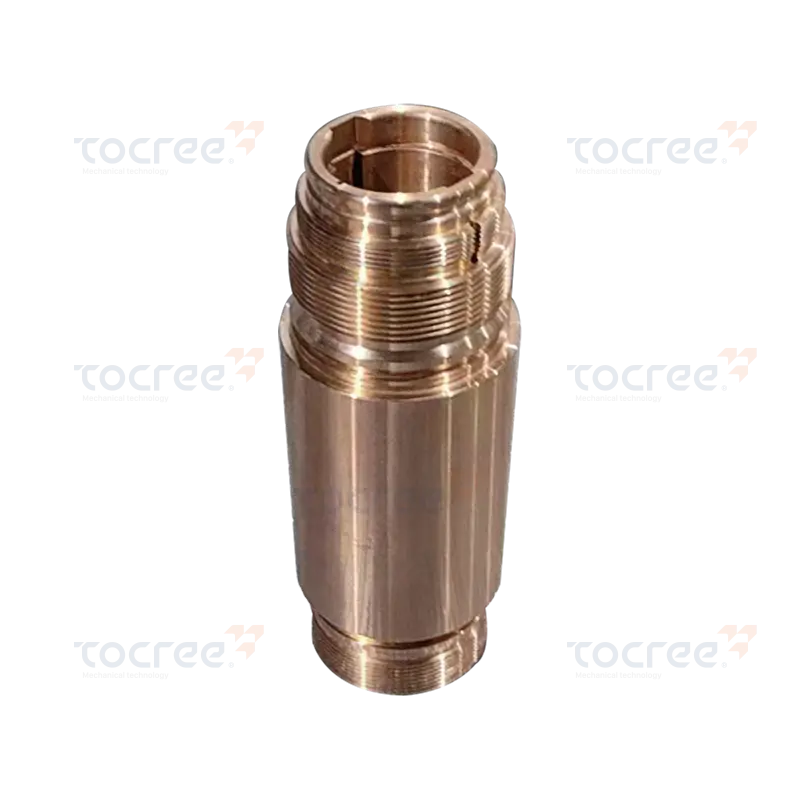
This threaded copper sleeve is a high-performance component. It is made from tin bronze and is preci...
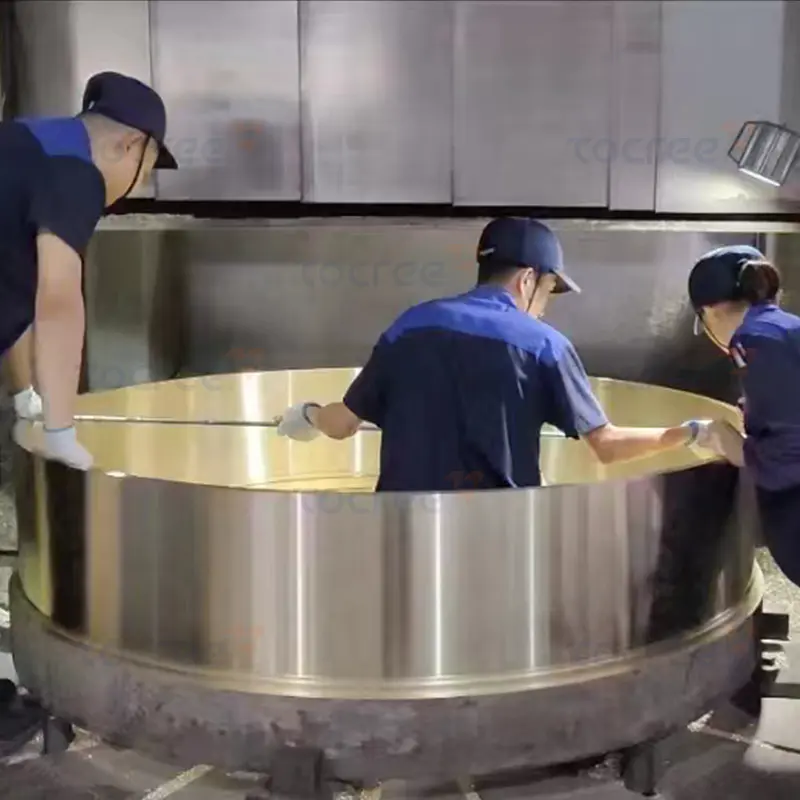
This high-performance brass single flange sleeve is specially designed for large industrial bearings...
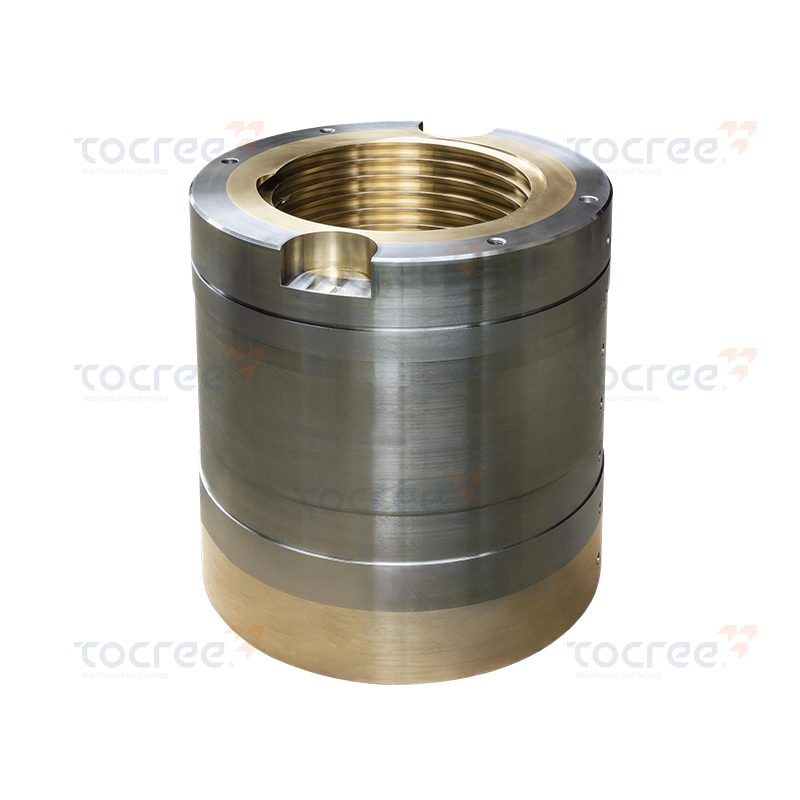
Structure and Materials The exterior features a high-strength carbon steel or alloy steel body, ens...
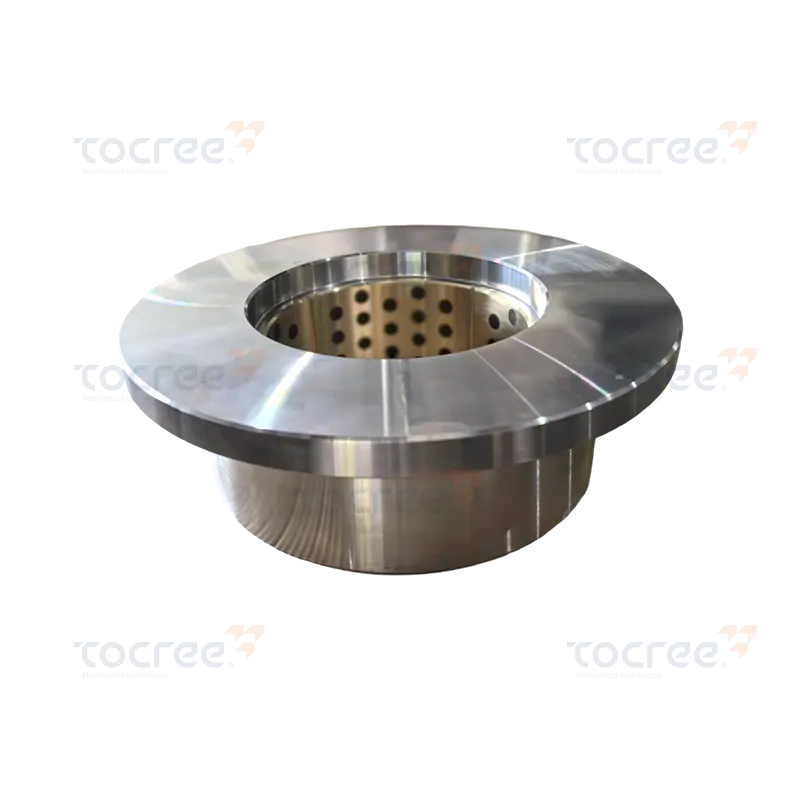
The Bronze-Steel Flanged Bushing combines the benefits of SCM435 alloy steel and high-strength brass...
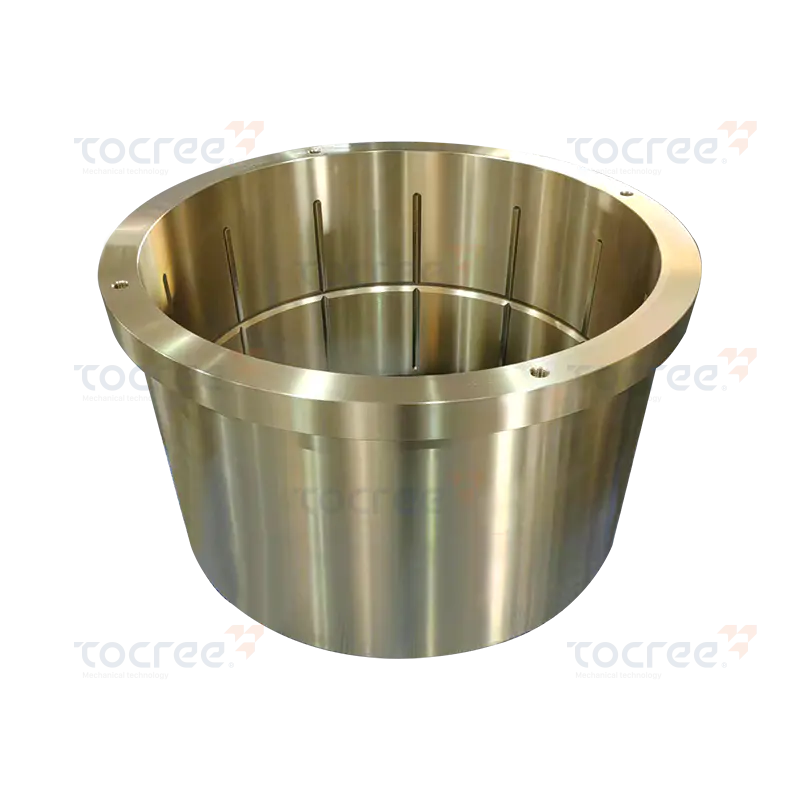
This brass sleeve is made by centrifugal casting with a copper-zinc alloy as the base material and t...
Copyright © 2025 Jiashan Tocree Machinery Co., Ltd. All Rights Reserved.
Customized Copper Alloys Machinery Parts
