

 English
 中文简体
中文简体 Deutsch
 عربى
عربىFor any questions and feedback from customers, we will reply patiently and meticulously.
The double-flange brass bushing is a high-performance metal bushing, widely used in mechanical equip...
A double flanged brass bushing is a cylindrical sleeve made from brass that features a flange, or raised rim, on both ends of the tube instead of just one. This design gives the bushing extra stability because both sides of the mounting hole are covered, which stops the bushing from sliding through the bore in either direction. Because brass is naturally resistant to corrosion and has a low coefficient of friction, this type of bushing is often chosen for parts that rotate, slide, or bear a load without needing constant lubrication.
In simple terms, think of it as a metal tube with two little "hats" on each end. Those hats, or flanges, act like built-in washers that keep the bushing centered and prevent it from wearing down the surrounding material. This is why double flanged brass bushings show up so often in machinery, furniture hardware, electrical equipment, and even musical instruments.
Brass is a popular choice for flanged bushings for a handful of practical reasons. It is a soft enough metal to machine precisely, yet strong enough to hold up under repeated friction and moderate loads. It also resists rust, which makes it a safer bet than plain steel in humid or outdoor environments. Below are the main reasons brass wins out over other materials for this type of part.
Double flanged brass bushings are used anywhere a shaft, pin, or rod needs to move smoothly through a hole while staying centered. Because the flanges sit on both sides of the mounting surface, this bushing style is especially useful in situations where the part experiences side-to-side movement or vibration, not just rotation.
Drawer slides, hinges, and folding mechanisms often rely on small double flanged brass bushings to keep moving parts quiet and free of metal-on-metal contact. The flanges prevent the bushing from working its way out of the drilled hole over years of opening and closing.
In control panels and switch assemblies, these bushings are used to insulate wires or terminals as they pass through metal housings, while also protecting the wire jacket from sharp edges.
Pivot points on levers, pedals, and linkages benefit from the bushing's ability to resist wear from repeated back-and-forth motion, all while keeping the moving parts aligned.
It helps to understand how a double flanged bushing compares to its single flanged counterpart before deciding which one fits your project. The table below breaks down the practical differences.
| Feature | Single Flanged Bushing | Double Flanged Bushing |
| Flange Location | One end only | Both ends |
| Axial Movement Control | Limited to one direction | Controlled in both directions |
| Typical Use | Fixed panels, one-sided mounts | Moving parts, thin panels, vibration-prone areas |
| Installation Complexity | Simple | Slightly more precise fitting required |
Picking the correct double flanged brass bushing comes down to matching three measurements: the inner diameter, the outer diameter, and the overall length including both flanges. Getting any one of these wrong can lead to a bushing that spins loosely in its hole or one that is too tight to insert without damaging the flange.
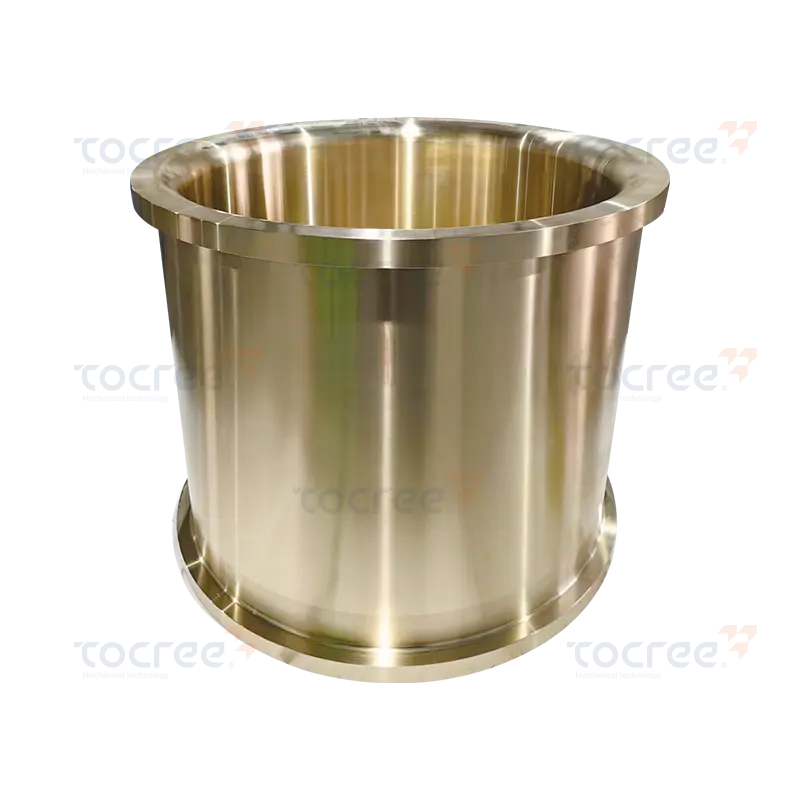
Installing this type of bushing is usually straightforward, but a few small habits can make the difference between a smooth, long-lasting fit and one that wobbles or wears out early. Start by drilling or reaming the mounting hole to the exact outer diameter specified for the bushing, rather than eyeballing it. A hole that is even slightly oversized will let the bushing shift, which defeats the purpose of having flanges on both ends.
Once the hole is prepared, press the bushing in gently and evenly, applying pressure on the flange rather than the tube body to avoid bending or cracking it. For panels where the bushing needs to be removable later, a light coat of anti-seize or general purpose lubricant on the outer surface can make future maintenance easier without affecting the fit.
Even a well-made double flanged brass bushing can run into trouble if it is chosen or installed incorrectly. Knowing the common failure points ahead of time can save a lot of frustration later.
One of the biggest advantages of brass bushings is how little maintenance they actually need. Under normal indoor conditions, a properly fitted double flanged brass bushing can last for many years without replacement. That said, a quick visual check every so often for cracking, discoloration, or excess play can catch problems early before they affect the parts around it.
For bushings used outdoors or in damp environments, an occasional wipe-down and a light protective coating can extend their life even further. Because brass does not rust the way steel does, most wear comes from mechanical friction rather than environmental damage, which makes proper sizing and installation the most important factors in how long the bushing will last.

The double-flange brass bushing is a high-performance metal bushing, widely used in mechanical equip...
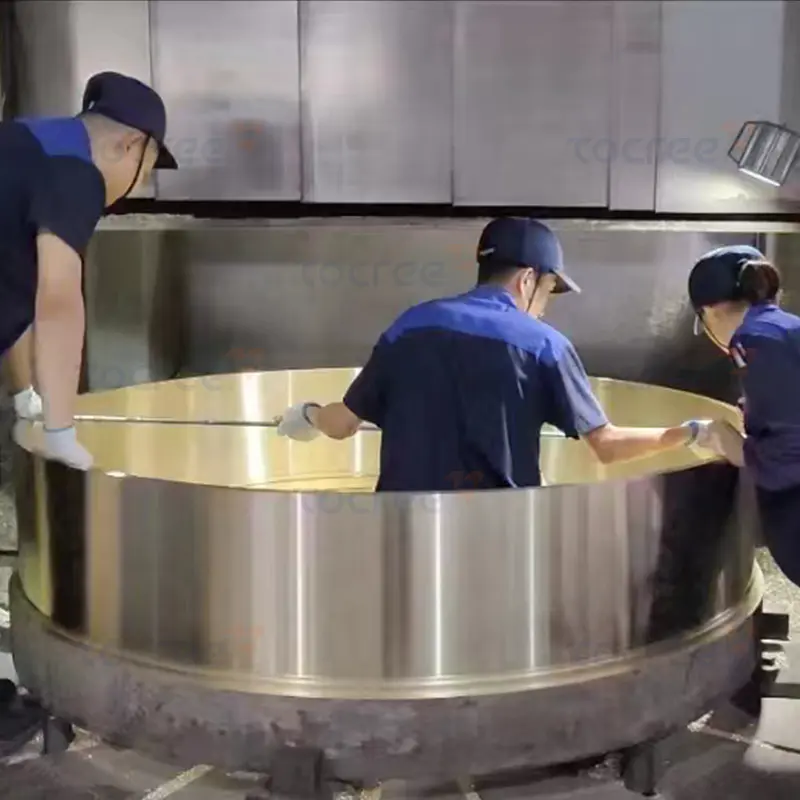
This high-performance brass single flange sleeve is specially designed for large industrial bearings...
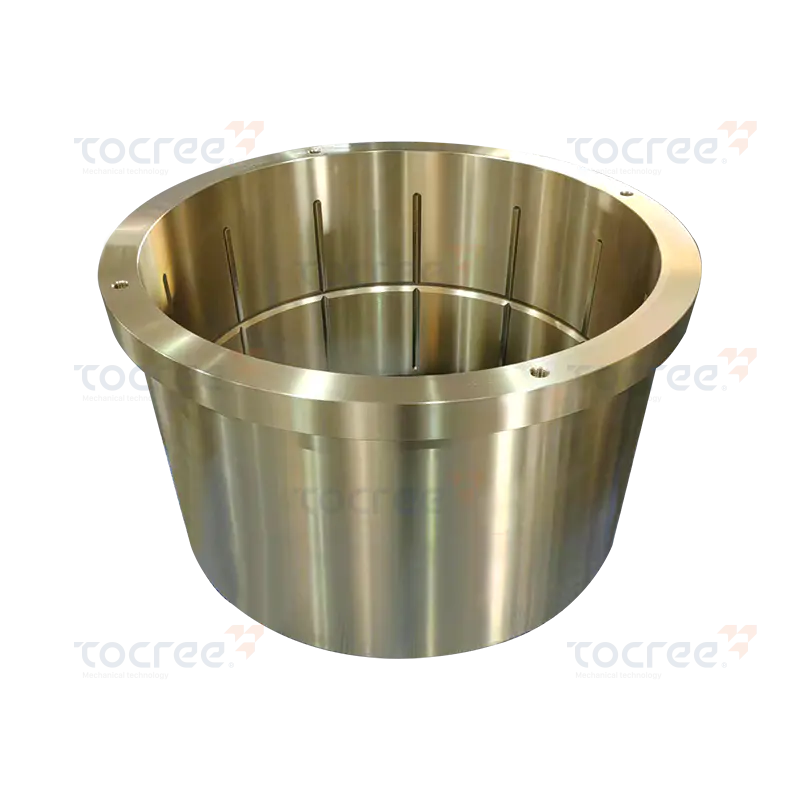
This brass sleeve is made by centrifugal casting with a copper-zinc alloy as the base material and t...
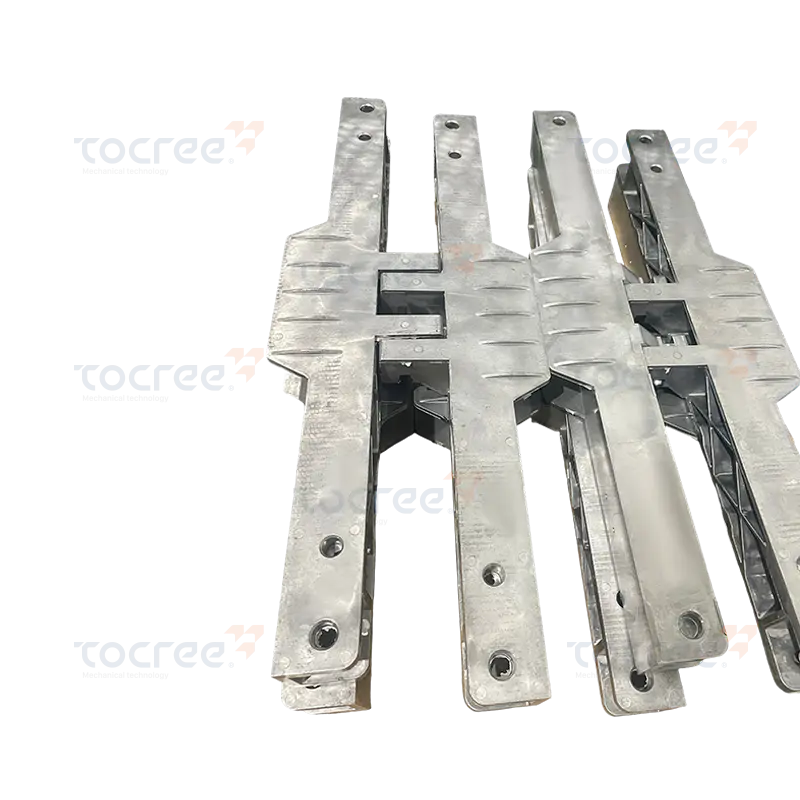
This aluminum alloy frame is specially designed to meet the application requirements of the vehicle....
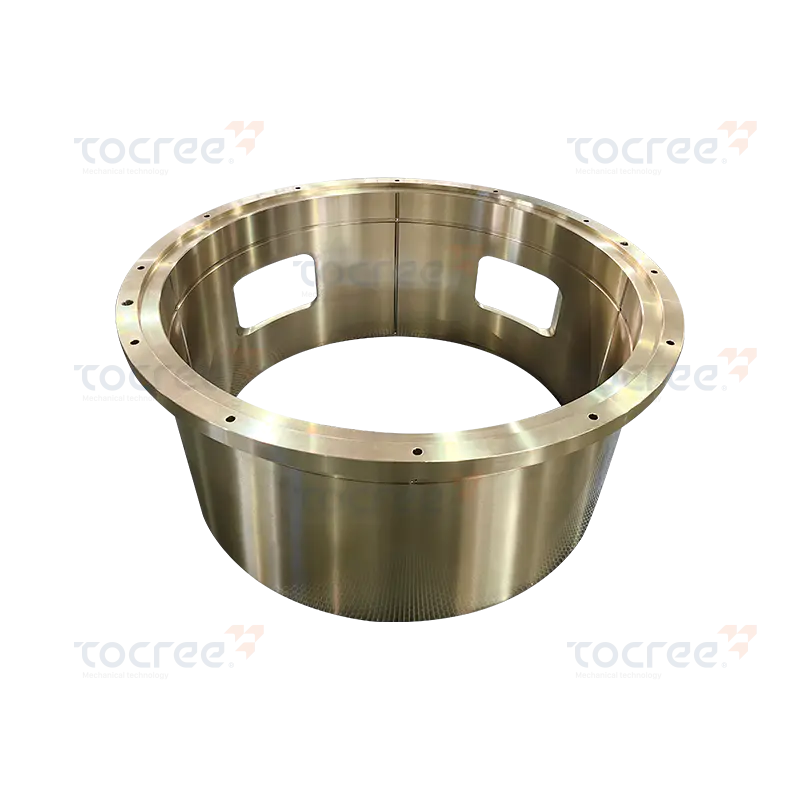
The single-sided flange copper sleeve is a high-performance brass alloy shaft sleeve with excellent ...
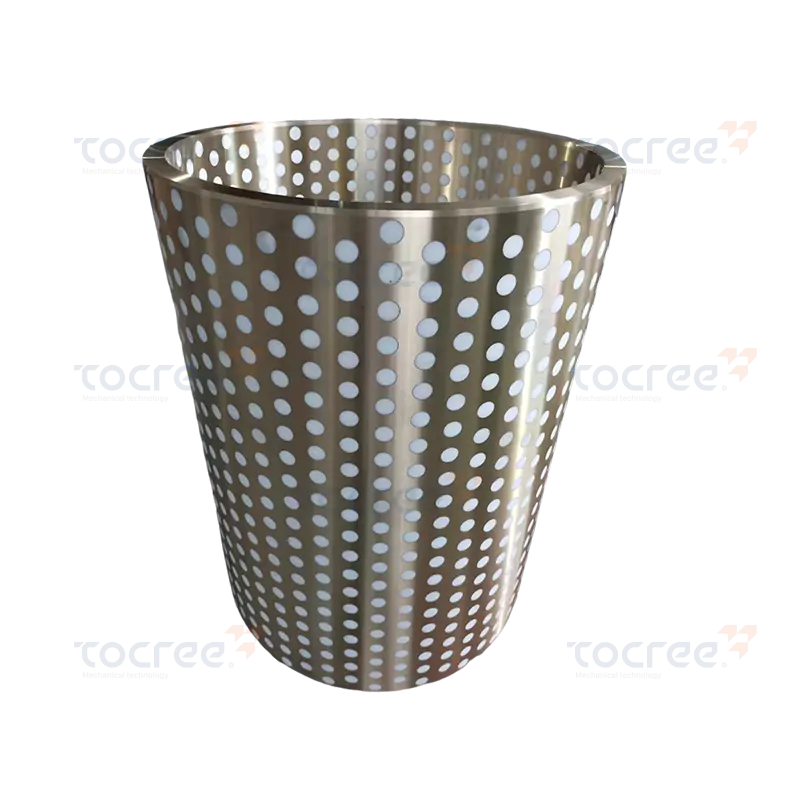
This solid self-lubricating copper sleeve embedded with PTFE combines the wear resistance of brass w...
Copyright © 2025 Jiashan Tocree Machinery Co., Ltd. All Rights Reserved.
Customized Copper Alloys Machinery Parts
