

 English
 中文简体
中文简体 Deutsch
 عربى
عربىFor any questions and feedback from customers, we will reply patiently and meticulously.
Material structure: Cast aluminum brass CuZn25Al6Fe3Mn3, with graphite insert. Application features:...
A self lubricating bearing is a type of bearing that contains its own lubricant built directly into the bearing material — no external grease, oil, or maintenance schedule required. The lubricant is embedded in the form of solid particles, porous structures, or special polymer compounds that release a thin film of lubrication onto the shaft surface during operation. This continuous, controlled release reduces friction and wear over the entire service life of the bearing.
The mechanism works through what engineers call "transfer film" technology. As the shaft rotates or slides against the bearing surface, micro-amounts of lubricant — typically graphite, PTFE (polytetrafluoroethylene), or molybdenum disulfide — transfer onto the mating surface. This creates a self-replenishing protective layer that keeps friction low even under sustained heavy loads. Unlike conventional oil-lubricated bearings that rely on a liquid film to separate moving parts, self-lubricating designs depend on solid-state chemistry to do the same job — but with far less upkeep.
This makes them an attractive solution in applications where re-greasing is impractical, where contamination from oils or greases is unacceptable, or where equipment needs to run reliably in extreme conditions such as high temperatures, vacuums, or chemically aggressive environments.
Not all self-lubricating bearings are built the same way. The right type depends on your load requirements, operating temperature, speed, and environment. Here's a breakdown of the most widely used categories:
These are made from compressed and sintered metal powders — commonly bronze or iron — that leave behind a network of interconnected pores. The pores are pre-saturated with oil, which seeps out through capillary action when the bearing heats up during use, and then gets drawn back in when it cools down. This "breathing" action makes sintered bearings excellent for light-to-medium duty applications such as small motors, fans, and household appliances. They are inexpensive, quiet, and can last years without any additional lubrication.
Polymer-based self-lubricating bearings are made entirely from engineered plastics — PTFE, nylon, acetal, or PEEK — often compounded with reinforcing fillers like glass fiber, carbon, or bronze powder. PTFE in particular has one of the lowest friction coefficients of any solid material, making these bearings ideal for clean environments such as food processing, pharmaceutical machinery, and medical equipment. They're also completely corrosion-resistant and electrically non-conductive.
Composite self-lubricating bearings combine a steel or bronze backing shell with a thin bonded layer of PTFE-based or similar polymer liner. The metal backing provides high structural strength and excellent heat dissipation, while the polymer surface handles the lubrication. This hybrid design supports significantly higher loads than pure polymer bearings and is widely used in automotive components (door hinges, suspension linkages), agricultural machinery, and construction equipment.
These bearings are typically made from bronze or cast iron with graphite inserts plugged or cast directly into the body. Graphite is an excellent solid lubricant — it retains its properties at extremely high temperatures and in environments where oils would degrade or evaporate. Carbon-graphite bearings in particular are used in steam turbines, pumps handling hot fluids, and industrial ovens where operating temperatures can exceed 400°C. They also work well in wet environments because water actually improves graphite's lubrication performance.
Used in heavy industrial and marine applications, these bearings are constructed from layers of woven fabric (often glass or carbon fiber) impregnated with resin and PTFE. They offer exceptional load capacity, impact resistance, and are commonly found in shipboard rudder bearings, bridge expansion joints, and hydraulic cylinders. Their ability to tolerate edge loading and shaft misalignment also makes them popular in off-highway vehicles and mining equipment.
Choosing between self-lubricating and conventionally lubricated bearings involves trade-offs across several performance and cost dimensions. The table below summarizes the key differences:
| Feature | Self Lubricating Bearing | Conventional Bearing |
| Maintenance Required | None or minimal | Regular re-greasing/oiling |
| Operating Temperature Range | Often -200°C to +400°C (type-dependent) | Limited by lubricant degradation |
| Load Capacity | Medium to very high (composite types) | High to very high |
| Contamination Risk | Low — no oil/grease leakage | Higher — possible leaks |
| Suitable for Food/Pharma | Yes (PTFE/polymer types) | Only with food-grade lubricants |
| Initial Cost | Moderate to higher upfront | Often lower upfront |
| Total Lifetime Cost | Lower (less downtime/maintenance) | Higher over full service life |
| Noise Level | Low (especially sintered types) | Variable |
The appeal of oil-free, maintenance-free bearings spans a wide range of industries. Here are some of the most common real-world applications where these bearings shine:
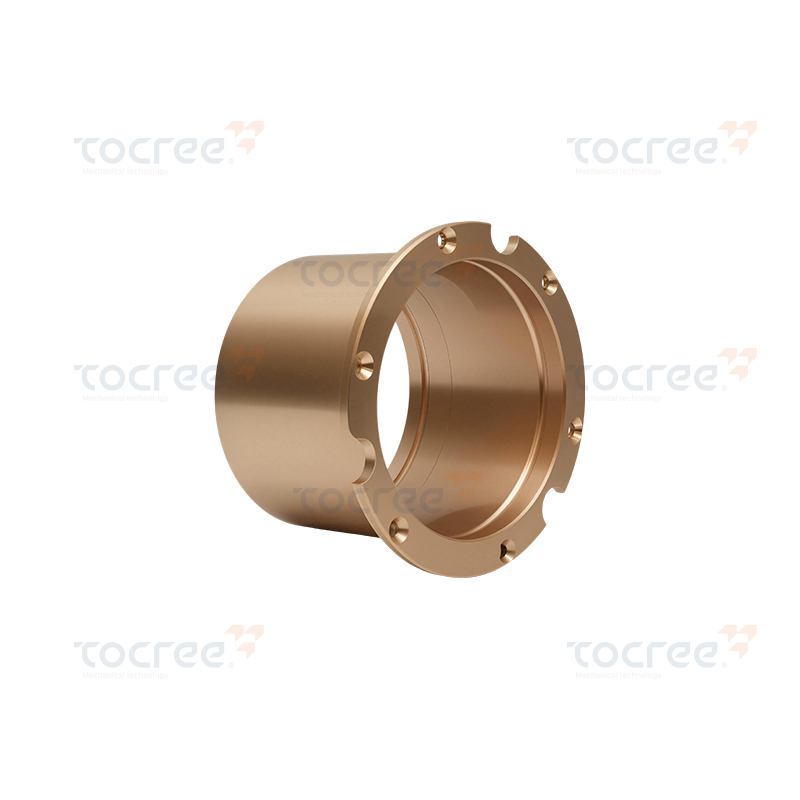
Selecting the wrong self-lubricating bearing for your application is one of the most common causes of premature failure. The critical parameters to evaluate are:
The PV value is the product of the bearing load (in MPa or psi) and the surface speed of the shaft (in m/s or ft/min). Every self-lubricating bearing material has a maximum allowable PV rating — exceeding it causes the bearing to overheat and wear rapidly. For example, unfilled PTFE has a PV limit of around 0.1 MPa·m/s, while bronze-backed PTFE composite bearings can handle 0.5 MPa·m/s or more. Always check the manufacturer's PV data sheet and apply a safety factor.
Polymer bearings have upper temperature limits — PTFE typically maxes out around 260°C, while PEEK can handle up to 300°C. Carbon-graphite and graphite-plugged bronze bearings can go well beyond 400°C. It's equally important to consider low-temperature performance: in cold environments, some polymers become brittle, which can lead to cracking under load. Specify both minimum and maximum operating temperatures when sourcing your bearings.
Self-lubricating bearings are sensitive to shaft surface quality in a way that oil-lubricated bearings are not. A rough shaft surface can rapidly abrade the polymer or lubricant film, dramatically shortening bearing life. Most manufacturers recommend a shaft surface roughness of Ra 0.4 to 0.8 µm for optimal performance. Hardened steel shafts (HRC 45 or higher) are strongly preferred over soft or stainless steel, which can gall against certain bearing materials.
Unlike rolling element bearings, plain self-lubricating bearings require precise diametral clearance between the bore and the shaft. Too tight, and the bearing may seize or generate excessive heat. Too loose, and you'll get vibration, noise, and accelerated wear. Typical recommended clearances range from 0.01% to 0.1% of the shaft diameter depending on material type and application — always consult the manufacturer's installation guidelines.
Even the best bearing will fail early if it's installed incorrectly. Watch out for these frequent errors:
Follow this step-by-step approach to narrow down the best bearing type:
The upfront cost of self-lubricating bearings is sometimes higher than standard bronze bushings or ball bearings — but the total cost of ownership picture looks very different once you factor in maintenance labor, lubricant costs, scheduled downtime, and the risk of unscheduled failures. In high-volume production environments or hard-to-reach installations, eliminating a single re-greasing interval can recoup the premium cost of the bearing many times over.
Consider a conveyor system running in a food processing plant. Conventional lubricated bearings in that environment require regular inspection, re-greasing, and eventual replacement of grease-contaminated components. A single contamination incident can result in a full product recall. Switching to maintenance-free PTFE self-lubricating bearings eliminates the contamination risk entirely and removes that bearing from the maintenance schedule — freeing up engineering time and preventing costly shutdowns.
In offshore, mining, or remote infrastructure applications, the savings are even more dramatic. When every maintenance visit requires helicopter transport or hours of travel, eliminating lubrication requirements from dozens of bearing points translates to very significant operational savings over a multi-year equipment lifecycle.
Self lubricating bearings have evolved from a niche engineering solution into a mainstream choice across dozens of industries. Whether you're specifying components for a high-temperature industrial oven, a food packaging line, an automotive hinge, or a satellite mechanism, there's a self-lubricating bearing type engineered to handle the job — without ever needing a grease gun. The key is understanding the technical parameters that govern your specific application and matching them to the right material and design. With that alignment in place, you get reliable, long-lasting performance with dramatically lower total maintenance burden.
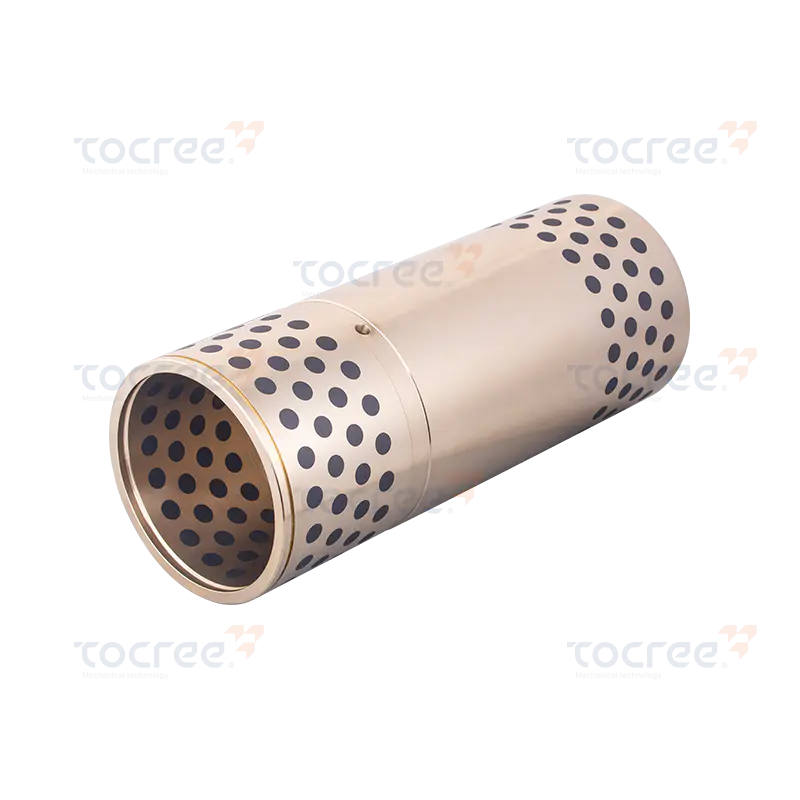
Material structure: Cast aluminum brass CuZn25Al6Fe3Mn3, with graphite insert. Application features:...
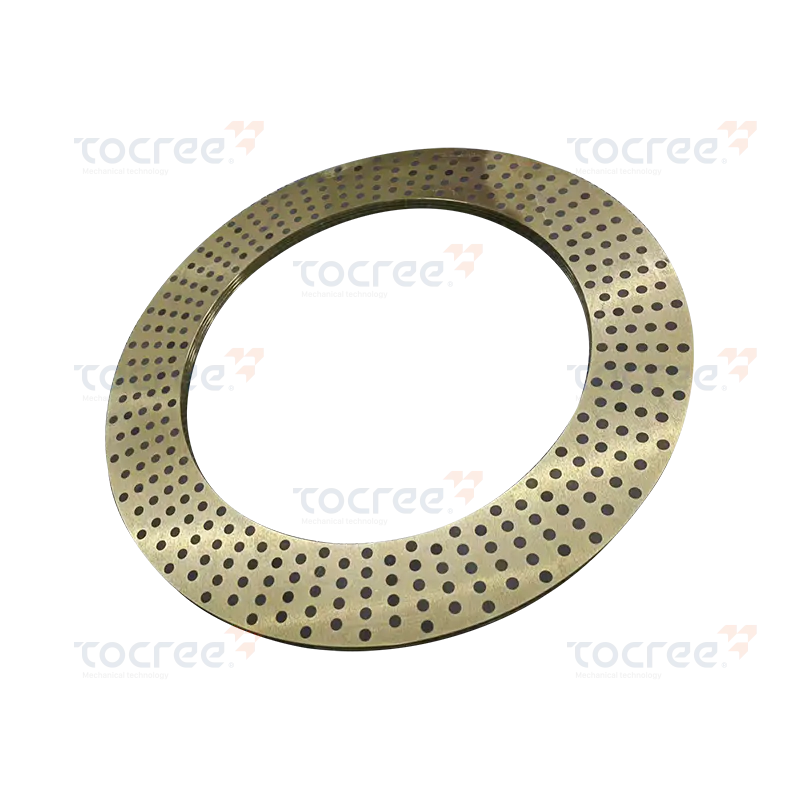
Solid self-lubricating copper rings are high-performance components, made by precision machining wit...
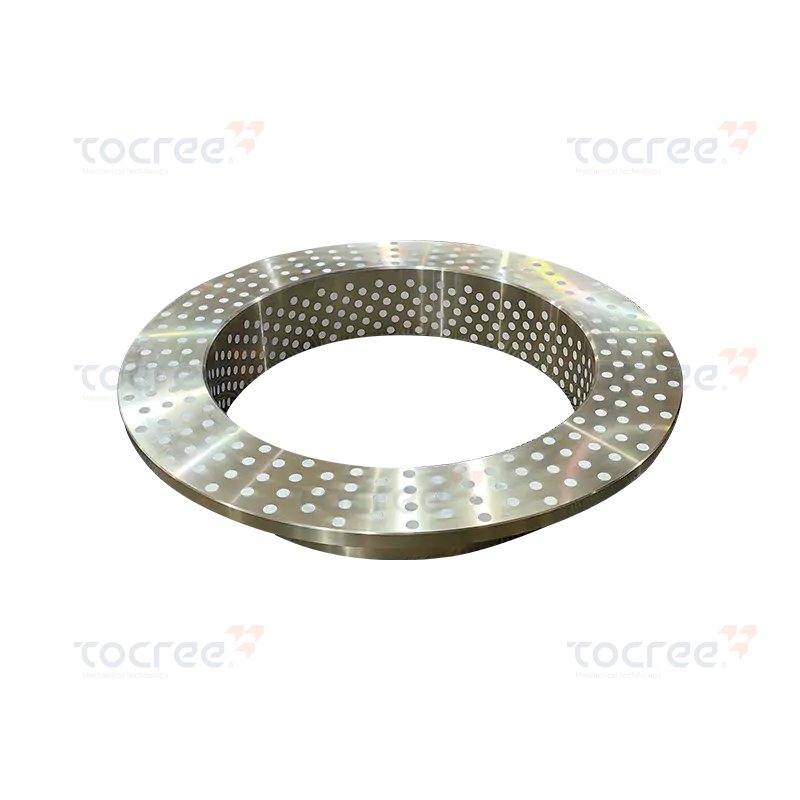
The PTFE single-flange solid self-lubricating copper sleeve is a high-performance mechanical compone...
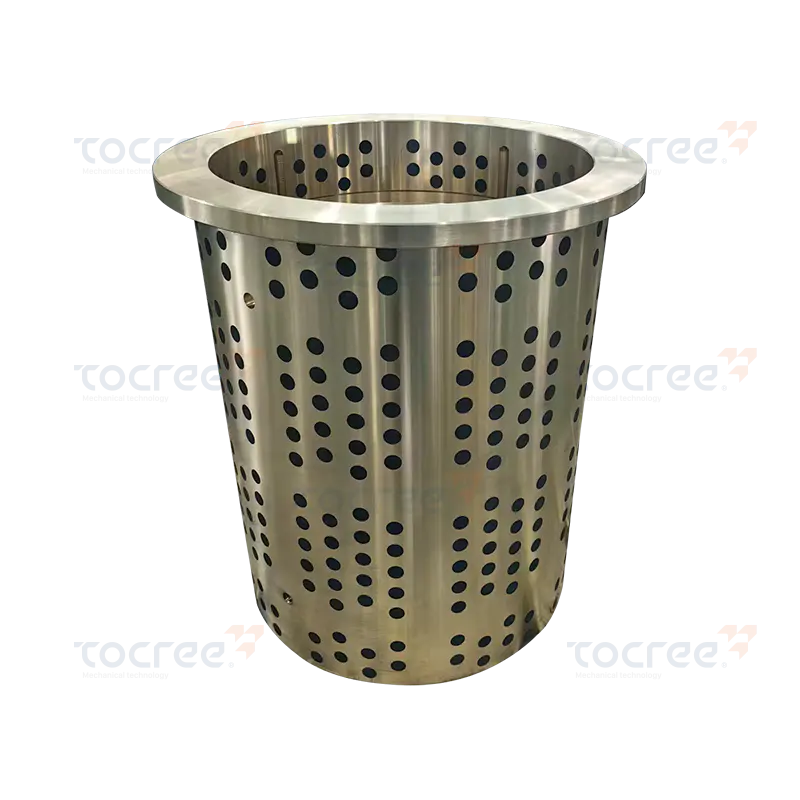
Single-flange self-lubricating bearing (with graphite embedding) is a high-performance solid self-lu...
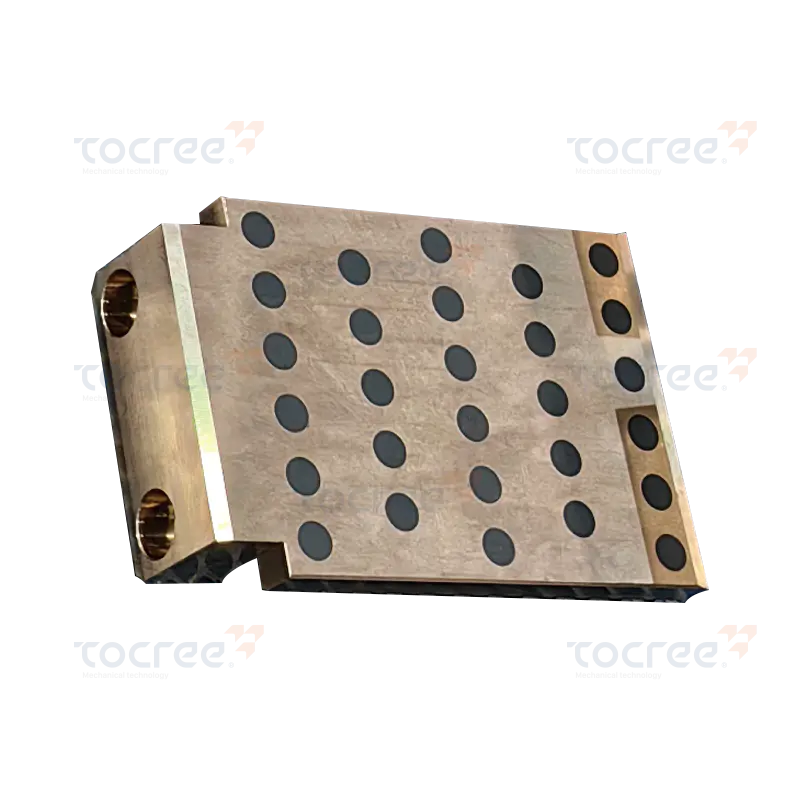
The L-shaped solid self-lubricating slider is made by embedding high-purity graphite solid lubricant...
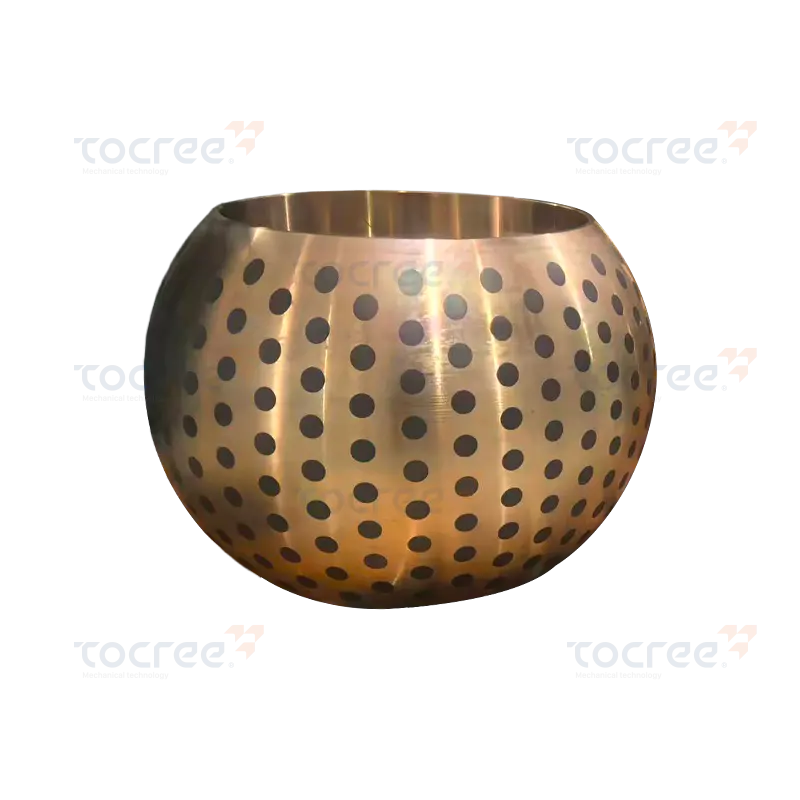
This spherical self-lubricating copper sleeve is made from high-strength high-strength brass as the ...
Copyright © 2025 Jiashan Tocree Machinery Co., Ltd. All Rights Reserved.
Customized Copper Alloys Machinery Parts
