

 English
 中文简体
中文简体 Deutsch
 عربى
عربىFor any questions and feedback from customers, we will reply patiently and meticulously.
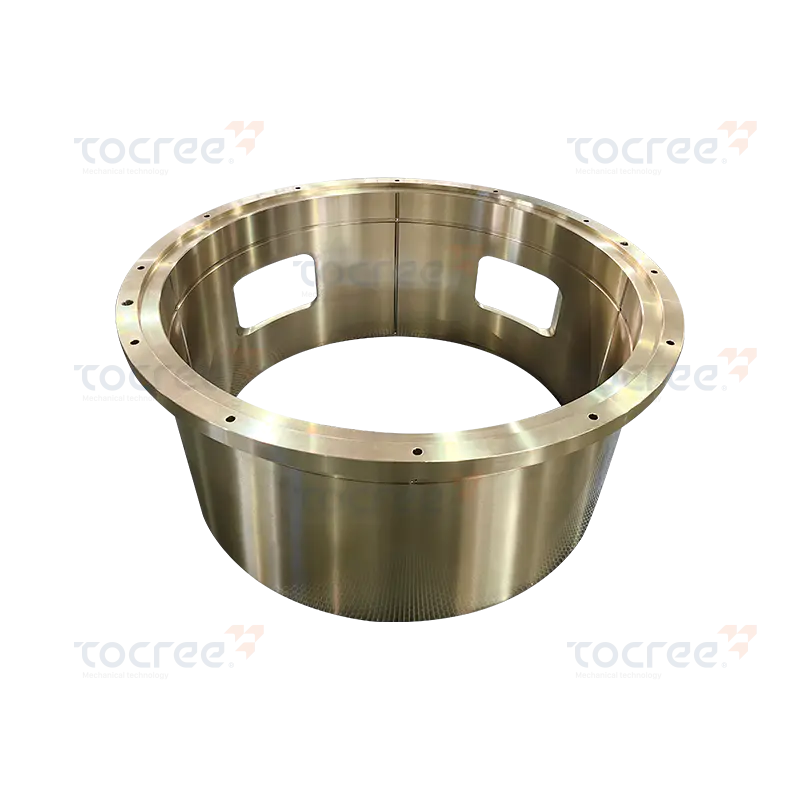
This high-performance brass single flange sleeve is specially designed for large industrial bearings...
A single flanged brass bushing is a cylindrical bearing component with a flange, or raised lip, on one end that provides axial location and load-bearing support against a mating surface. Made from brass, a copper-zinc alloy known for its natural lubricity, corrosion resistance, and machinability, these bushings serve as a low-friction interface between a rotating or sliding shaft and its housing. The flange design allows the bushing to handle both radial loads along the shaft and thrust loads pushing against the flange face, making it a versatile component for a wide range of mechanical assemblies.
Single flanged brass bushings are widely used in machinery, automotive components, appliances, and industrial equipment where a simple, cost-effective, and reliable bearing solution is needed. Their self-lubricating properties and resistance to wear make them a popular alternative to ball bearings in applications with moderate speeds and loads, particularly where budget, simplicity, and corrosion resistance matter more than the ultra-low friction that rolling element bearings provide.
Brass bushings, particularly the single flanged design, offer a number of practical advantages that make them a preferred choice across many mechanical applications.
The defining feature of a single flanged brass bushing is the flange itself, a wider lip formed at one end of the cylindrical bushing body. This flange serves two important functions: it provides a bearing surface to absorb axial thrust loads, and it acts as a built-in stop that positions the bushing correctly within its housing during installation. Without this flange, a plain cylindrical bushing would rely entirely on external retaining features to prevent it from sliding axially within its bore, adding complexity and cost to the overall assembly. By incorporating the flange directly into the bushing design, engineers can simplify assemblies while still achieving reliable axial load support, which is particularly valuable in applications like pivot points, hinges, and rotating shaft assemblies where some thrust loading is expected alongside radial loads.
Single flanged brass bushings show up in a wide variety of mechanical systems where reliable, low-maintenance bearing support is needed.
These bushings are commonly found in automotive linkages, throttle mechanisms, and small engine components, where their self-lubricating properties help reduce wear in areas that may not receive regular external lubrication throughout the vehicle's service life.
In industrial equipment, flanged brass bushings often support rotating shafts in conveyor systems, gearboxes, and material handling equipment, providing a durable, cost-effective bearing solution for moderate-speed applications where full ball bearing assemblies may not be necessary.
Household appliances and furniture hardware, including reclining mechanisms, hinges, and adjustable components, frequently use single flanged brass bushings to provide smooth, quiet operation while resisting corrosion in humid environments like kitchens and bathrooms.
Selecting the right bushing material depends on your application's load, speed, and environmental requirements. The table below compares brass bushings to other common bushing materials.
| Material | Corrosion Resistance | Self-Lubrication | Relative Cost |
| Brass | High | Good | Low to Moderate |
| Bronze | High | Very Good | Moderate |
| Steel | Low (without coating) | Poor | Low |
| Nylon/Polymer | Very High | Good | Low |
Selecting the correct single flanged brass bushing involves more than just matching the shaft diameter to the bushing bore. It's important to consider the flange outer diameter and thickness to ensure it properly fits within the recessed counterbore of the housing, providing adequate surface area to handle expected thrust loads. The bushing's wall thickness should also be evaluated against the radial load requirements of the application, since thinner walls may be suitable for lighter loads but could wear prematurely under heavier or more frequent use. Additionally, checking the fit tolerance between the bushing bore and shaft diameter is essential, as too tight a fit can restrict movement or cause premature wear, while too loose a fit can lead to excessive play, vibration, and noise during operation.
Proper installation and periodic maintenance can significantly extend the service life of a single flanged brass bushing. During installation, ensure the bushing is pressed or inserted squarely into its housing to avoid distorting the bore, which could create binding or uneven wear against the shaft. While brass bushings offer natural self-lubricating properties, applying a compatible lubricant during initial installation and periodically during maintenance intervals can further reduce friction and extend service life, particularly in higher-load or higher-speed applications. Routine inspection for signs of wear, such as increased play, unusual noise, or visible scoring on the bushing surface, helps catch potential issues before they lead to shaft damage or complete bushing failure, allowing for planned replacement rather than unexpected equipment downtime.
A single flanged brass bushing offers a reliable, cost-effective bearing solution for applications requiring both radial and thrust load support, particularly where self-lubrication and corrosion resistance are valuable properties. Its simple design, easy installation, and long service life make it a practical choice for automotive components, industrial machinery, and household hardware alike. By carefully matching bushing dimensions, wall thickness, and fit tolerances to your specific application requirements, you can ensure reliable, long-lasting performance from this small but essential mechanical component.
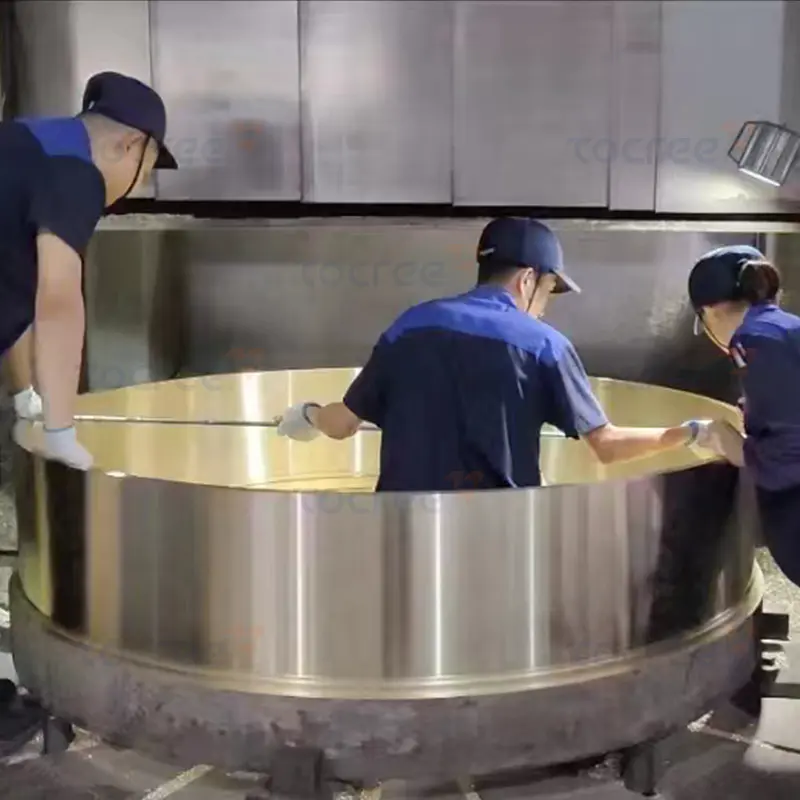
This high-performance brass single flange sleeve is specially designed for large industrial bearings...

The single-sided flange copper sleeve is a high-performance brass alloy shaft sleeve with excellent ...
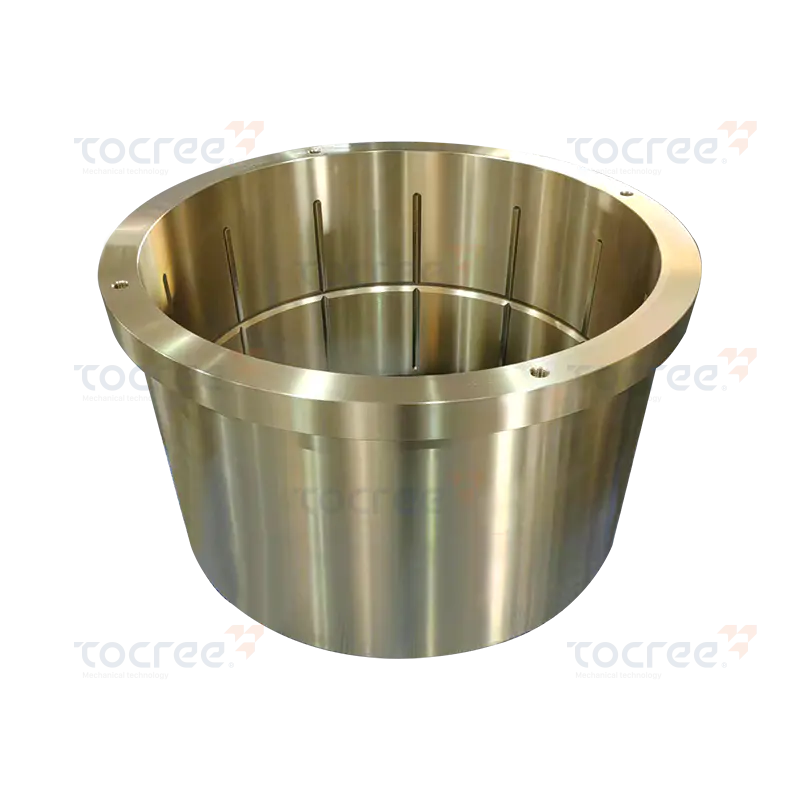
This brass sleeve is made by centrifugal casting with a copper-zinc alloy as the base material and t...
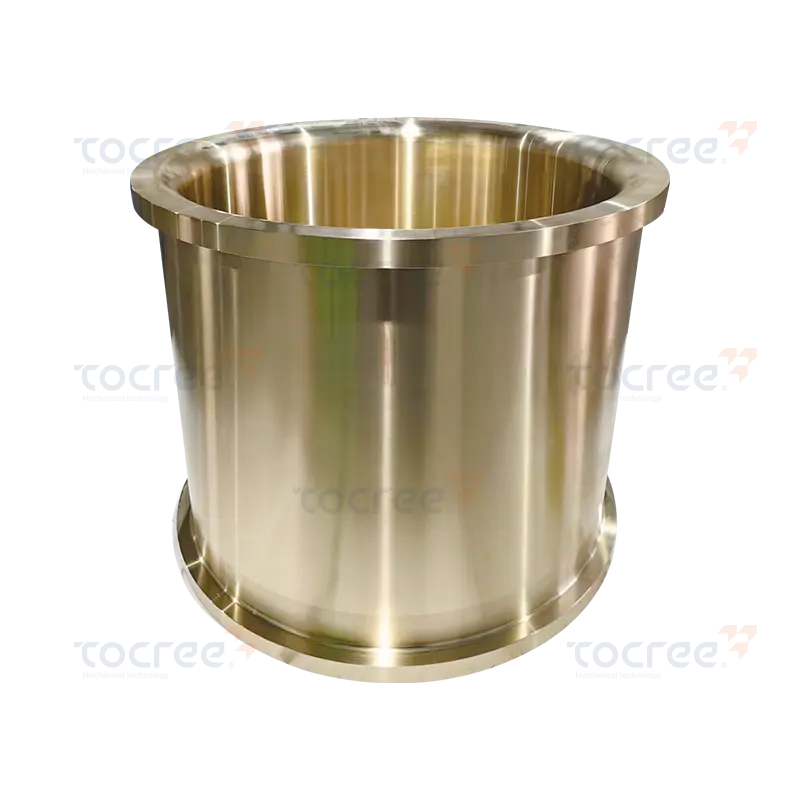
The double-flange brass bushing is a high-performance metal bushing, widely used in mechanical equip...
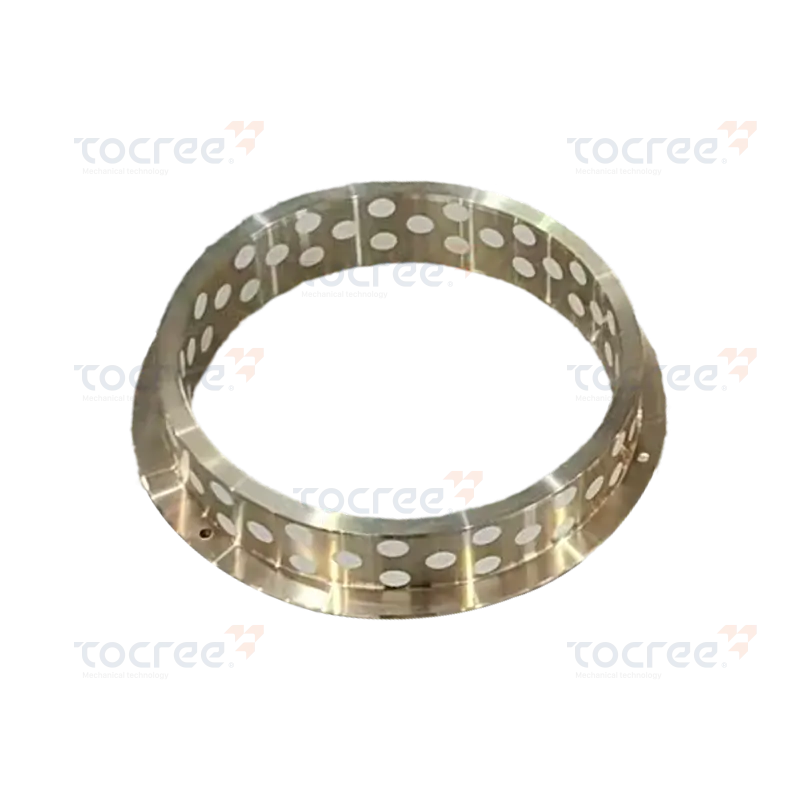
High tensile strength: The tensile strength of this product reaches up to 750N/mm², ensuring excelle...
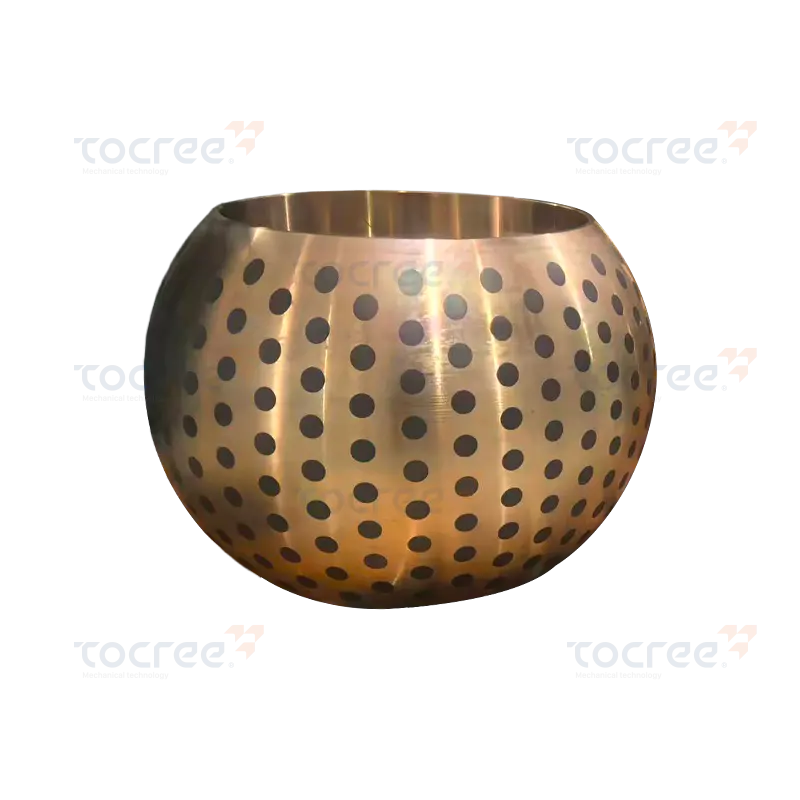
This spherical self-lubricating copper sleeve is made from high-strength high-strength brass as the ...
Copyright © 2025 Jiashan Tocree Machinery Co., Ltd. All Rights Reserved.
Customized Copper Alloys Machinery Parts
