

 English
 中文简体
中文简体 Deutsch
 عربى
عربىFor any questions and feedback from customers, we will reply patiently and meticulously.
Material structure: Cast aluminum brass CuZn25Al6Fe3Mn3, with graphite insert. Application features:...
A copper alloy curved slider is a precision-formed component with a curved profile that's designed to slide, guide, or make contact along a specific path within a mechanical or electrical assembly. Unlike flat sliding parts, the curved geometry allows these components to follow a contoured surface, maintain consistent spring tension across a range of motion, or fit into housings where a straight slider simply wouldn't work. Copper alloys are chosen for these parts because they combine good electrical conductivity, decent mechanical strength, and enough ductility to be formed into precise curved shapes without cracking during manufacturing.
These sliders show up in places most people never think about, from the sliding contacts inside electrical switches and connectors to small mechanical components in consumer electronics, automotive systems, and precision instruments. The curved shape often serves a functional purpose beyond just fitting a housing, such as maintaining constant contact pressure as a mechanism moves through its range of motion, which is something a flat slider generally can't do as effectively.
Not every copper alloy performs the same way once formed into a curved slider shape, so material selection plays a major role in how well the finished part functions over its intended lifespan.
Choosing between these alloys often comes down to weighing spring performance, cost, and corrosion resistance against the specific demands of the application. The table below breaks down how the main options compare.
| Alloy | Spring Performance | Cost | Best Fit |
| Phosphor Bronze | Very Good | Moderate | General-purpose sliding contacts |
| Beryllium Copper | Excellent | Higher | High-cycle, high-reliability applications |
| Brass | Moderate | Low | Budget-conscious, lower-cycle applications |
| Nickel Silver | Moderate | Moderate to High | Corrosion-sensitive or decorative components |
The versatility of these components means they turn up across a wide range of industries, often performing critical functions despite their small size.
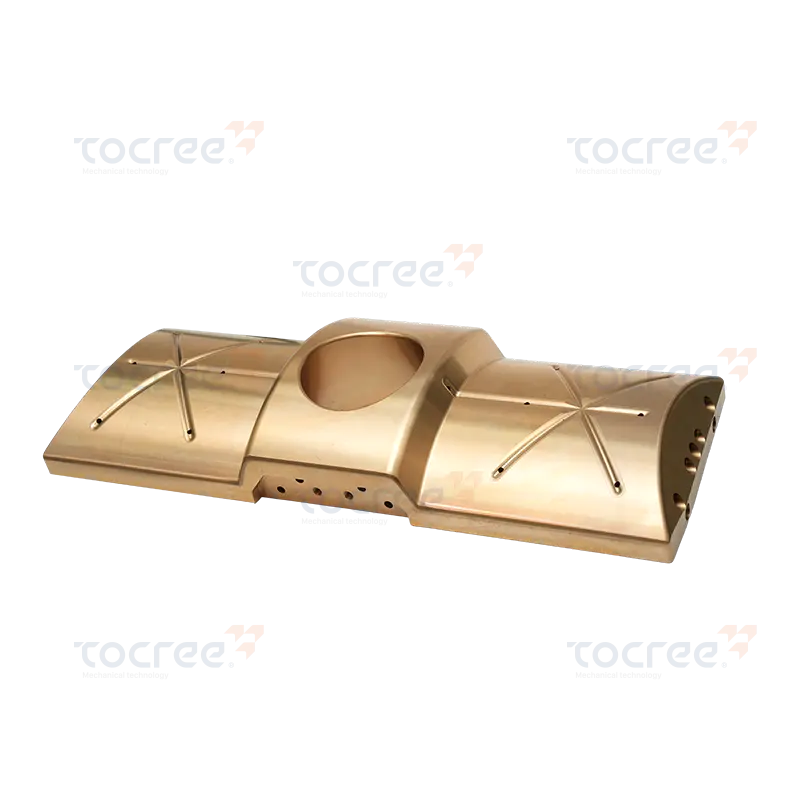
Most copper alloy curved sliders are produced through precision stamping followed by a forming process that bends the flat stamped blank into its final curved shape. Maintaining tight tolerances during this process is critical, since even small deviations in curve radius or thickness can affect how the slider performs once installed, particularly its contact pressure and spring-back behavior.
Depending on the application, curved sliders may receive additional surface treatments such as tin, silver, or gold plating to improve conductivity, reduce friction, or protect against corrosion. Choosing the right finish depends heavily on the operating environment and how much current or signal the slider needs to carry reliably over its service life.
The temper of the copper alloy, meaning its hardness and springiness after processing, directly affects how well a curved slider holds its shape and maintains consistent contact force over repeated cycles. Selecting the appropriate temper for the intended application helps balance formability during manufacturing against durability during actual use.
When working with a manufacturer to produce a custom copper alloy curved slider, providing clear specifications upfront saves time and reduces the chance of costly redesigns. Being specific about the required curve radius, thickness tolerance, and contact force helps the manufacturer select the right alloy and temper combination from the start.
It's also worth communicating the expected number of mating or sliding cycles the part needs to withstand, since this directly influences whether a more fatigue-resistant alloy like beryllium copper is necessary or whether a more economical option like brass will hold up fine. Sharing details about the operating environment, including temperature range and exposure to moisture or corrosive elements, allows the manufacturer to recommend an appropriate surface finish that will hold up over the part's intended service life.
A copper alloy curved slider might be a small, easily overlooked part, but its material choice, curve precision, and surface finish all play a direct role in how reliably it performs inside a larger assembly. Taking the time to match the alloy and manufacturing process to the specific demands of the application, whether that's high-cycle durability, corrosion resistance, or tight budget constraints, makes a meaningful difference in the long-term performance of the finished product. Working closely with a manufacturer who understands these tradeoffs helps ensure the final component does exactly what it's meant to do, cycle after cycle.
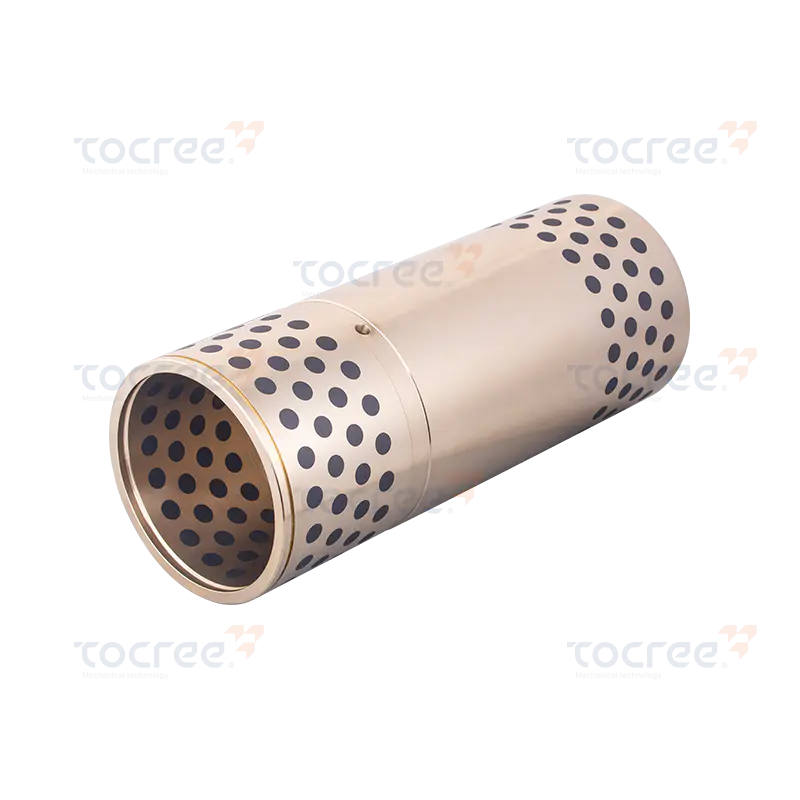
Material structure: Cast aluminum brass CuZn25Al6Fe3Mn3, with graphite insert. Application features:...
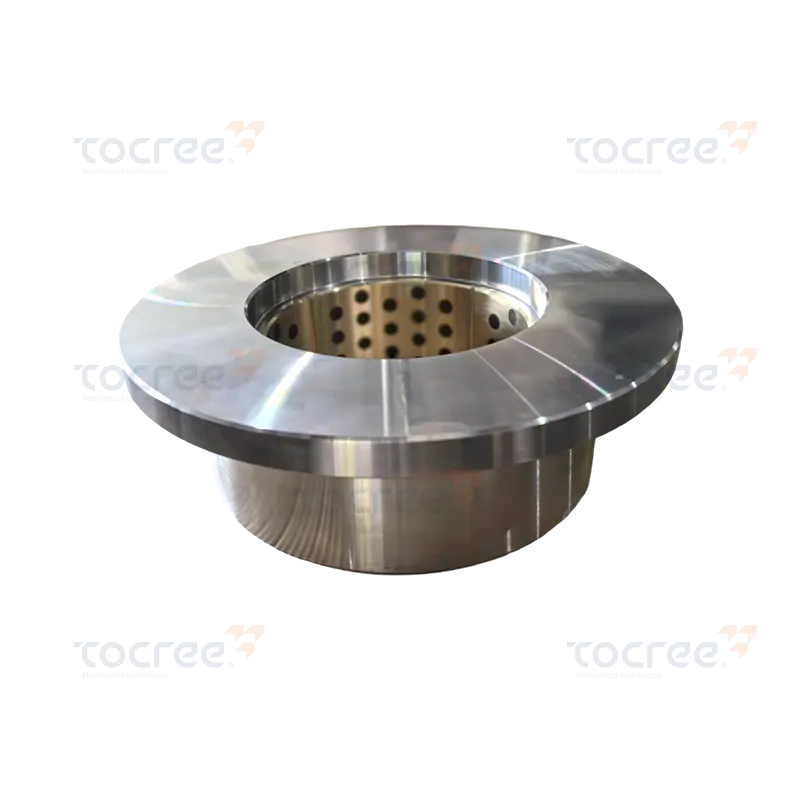
The Bronze-Steel Flanged Bushing combines the benefits of SCM435 alloy steel and high-strength brass...
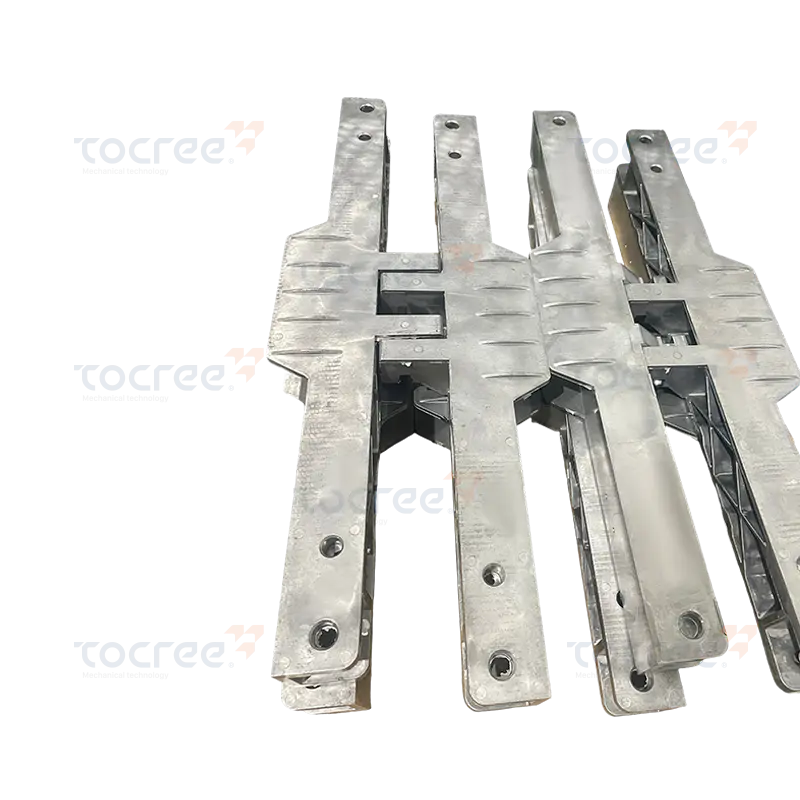
This aluminum alloy frame is specially designed to meet the application requirements of the vehicle....
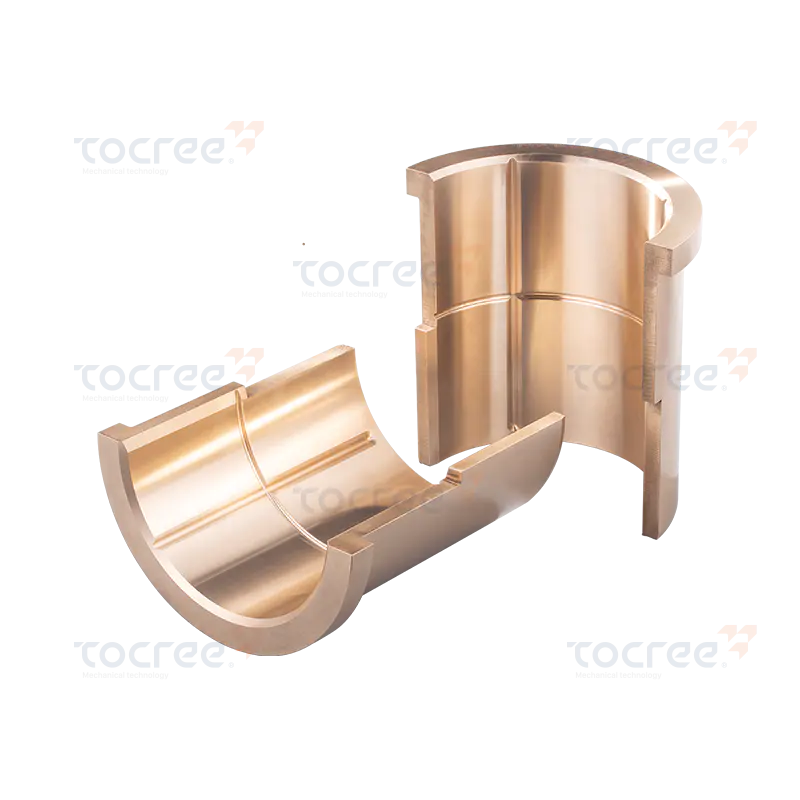
This copper bushing is precisely manufactured from high-quality tin bronze as the base material. It ...
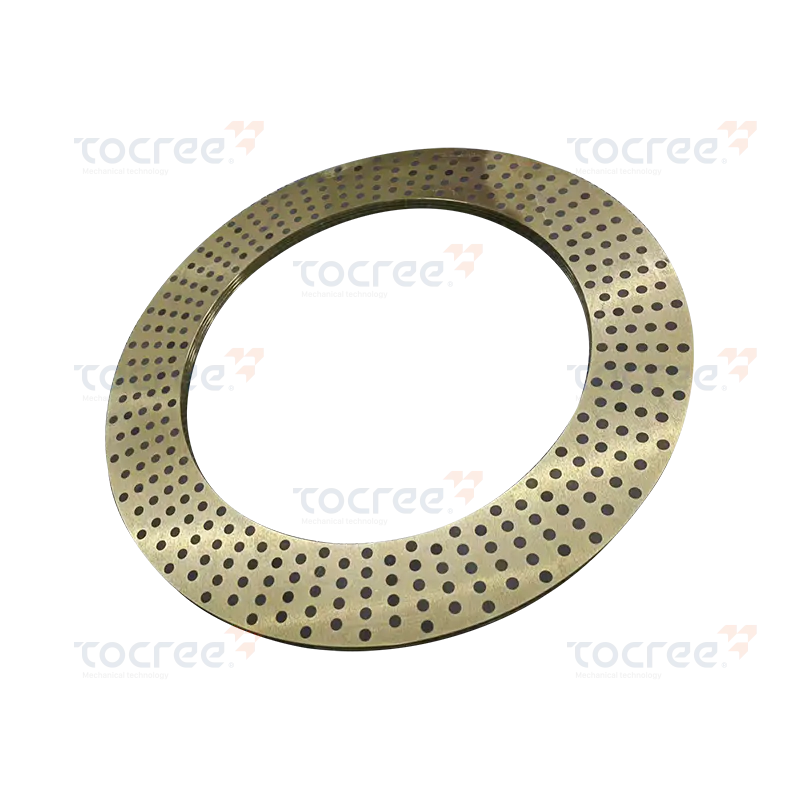
Solid self-lubricating copper rings are high-performance components, made by precision machining wit...

The Copper alloy curved slider is made of high-performance tin bronze as the base material and is ca...
Copyright © 2025 Jiashan Tocree Machinery Co., Ltd. All Rights Reserved.
Customized Copper Alloys Machinery Parts
