

 English
 中文简体
中文简体 Deutsch
 عربى
عربىFor any questions and feedback from customers, we will reply patiently and meticulously.
The octagonal bushing made of CuSn6Zn6Pb3 (tin bronze) and graphite precision machining is a self-lu...
A bronze octagonal bushing is a machined sleeve bearing with an eight-sided outer profile, used to reduce friction between rotating or sliding parts while resisting rotation within its mounting bore. The octagonal shape isn't just cosmetic — it serves a real mechanical purpose by preventing the bushing from spinning freely inside a housing, which is a common problem with standard round bushings under torque or vibration. This makes the bronze octagonal bushing a popular choice in applications where the bushing needs to stay locked in place while still allowing smooth movement of the shaft or pin passing through it.
Bronze is chosen as the base material because of its excellent wear resistance, natural lubricity, and ability to handle heavy loads without galling against steel shafts. Combined with the anti-rotation benefit of the octagonal shape, this type of bushing shows up frequently in agricultural equipment, construction machinery, conveyor systems, and other heavy-duty mechanical assemblies where reliability under load really matters.
The defining feature of a bronze octagonal bushing is its eight flat faces, which fit into a matching octagonal bore in the housing or mounting block. Unlike round bushings that rely purely on press-fit friction to stay in place, the octagonal design provides mechanical keying against rotation, meaning the bushing simply cannot spin even under significant torque or side-loading forces.
This matters a lot in applications where the bushing experiences repeated shock loads or oscillating motion, since a round bushing under those conditions can gradually work itself loose and start spinning inside its bore, leading to accelerated wear on both the bushing and the housing. The octagonal profile eliminates that failure mode entirely, which is why engineers specifically choose this shape for demanding pivot points and linkage assemblies.
Bronze octagonal bushings turn up in a wide range of mechanical systems where anti-rotation and load-bearing performance both matter. Here are some of the most common places you'll find them:
In nearly every one of these cases, the combination of bronze's wear resistance and the octagonal shape's anti-spin design is what makes the bushing suitable for long-term, low-maintenance service.
Not all bronze is the same, and the specific alloy used in a bushing affects its load capacity, wear resistance, and suitability for different operating environments. The table below compares the most common bronze alloys used in octagonal bushing manufacturing.
| Bronze Alloy | Key Property | Best Suited For |
| SAE 660 (C93200) | Excellent general-purpose wear resistance | Standard industrial and agricultural use |
| Aluminum Bronze (C95400) | High strength and corrosion resistance | Heavy shock loads and marine environments |
| Phosphor Bronze (C90700) | Superior fatigue resistance | High-cycle, continuous motion applications |
Choosing the right alloy for your specific load and environmental conditions can significantly extend the service life of the bushing beyond what a generic material choice would deliver.
Getting the dimensions right is critical when replacing or specifying a bronze octagonal bushing, since even small mismatches can lead to improper fit and premature failure.
Measure the shaft or pin diameter precisely, and select a bushing with an inner diameter that allows smooth rotation without excessive play. Too tight a fit causes binding, while too loose a fit accelerates wear.
Measure the flat-to-flat distance of the octagonal bore in the housing, not just the overall width, since this measurement determines whether the bushing will seat properly and resist rotation as intended.
Confirm the axial length needed to properly support the load, and check whether a flanged version is required to handle thrust loads or to prevent the bushing from sliding out of its bore under axial force.
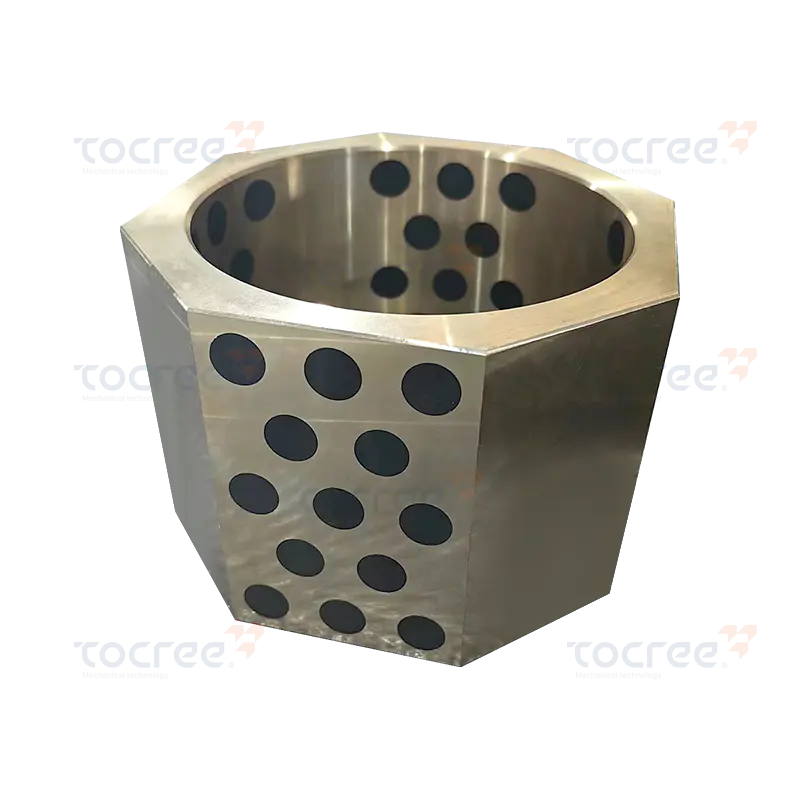
Proper installation makes a significant difference in how long a bronze octagonal bushing lasts in service. Always clean the mounting bore thoroughly before installation to remove any debris, rust, or old lubricant residue that could interfere with proper seating. Press the bushing in evenly using an arbor press or appropriate installation tool rather than hammering it in, since uneven force can crack or distort the bronze material.
Once installed, apply an appropriate lubricant compatible with bronze bearings, and check that the shaft rotates smoothly without binding at any point. Many bronze octagonal bushings are self-lubricating to some degree due to their material composition, but supplemental lubrication during initial installation and periodic maintenance still extends service life considerably, especially in dusty or high-load environments.
Even a well-installed bronze octagonal bushing will eventually show signs of wear, and catching them early prevents damage to more expensive surrounding components.
Routine lubrication and periodic inspection during regular equipment servicing go a long way toward catching these issues before they lead to a full component failure.
The octagonal shape mechanically locks the bushing in place within a matching bore, preventing rotation under torque or vibration, which round bushings can't reliably do without additional retaining features.
While bronze has natural lubricating properties, periodic lubrication is still recommended in most applications to reduce friction and extend the bushing's service life, especially under heavy or continuous loads.
Yes, as long as you accurately measure the shaft diameter, octagonal bore dimensions, and bushing length, replacing a worn bushing is a manageable task with a basic arbor press or hydraulic press.

The octagonal bushing made of CuSn6Zn6Pb3 (tin bronze) and graphite precision machining is a self-lu...
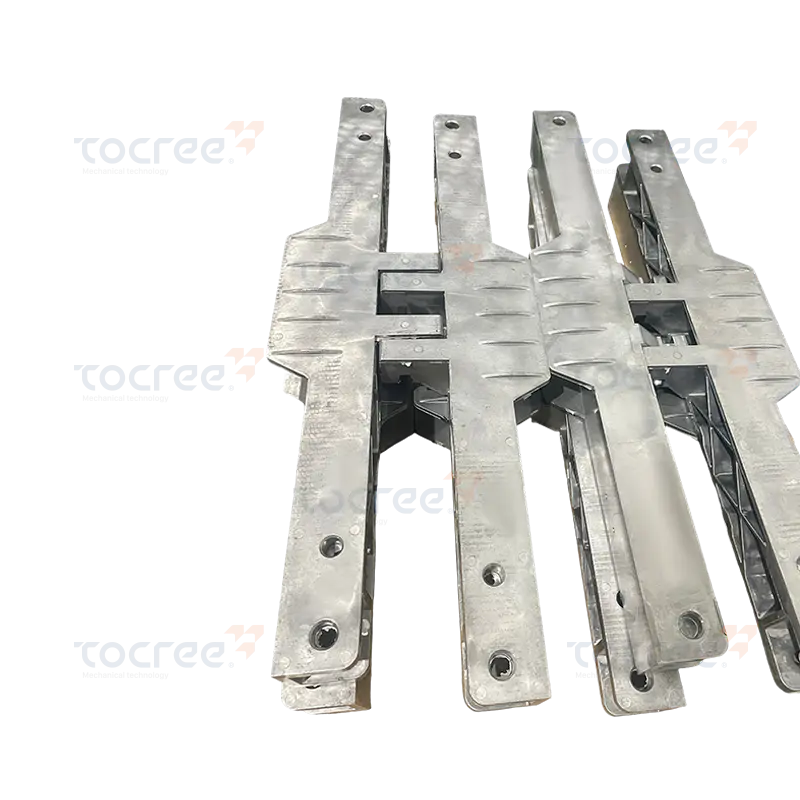
This aluminum alloy frame is specially designed to meet the application requirements of the vehicle....
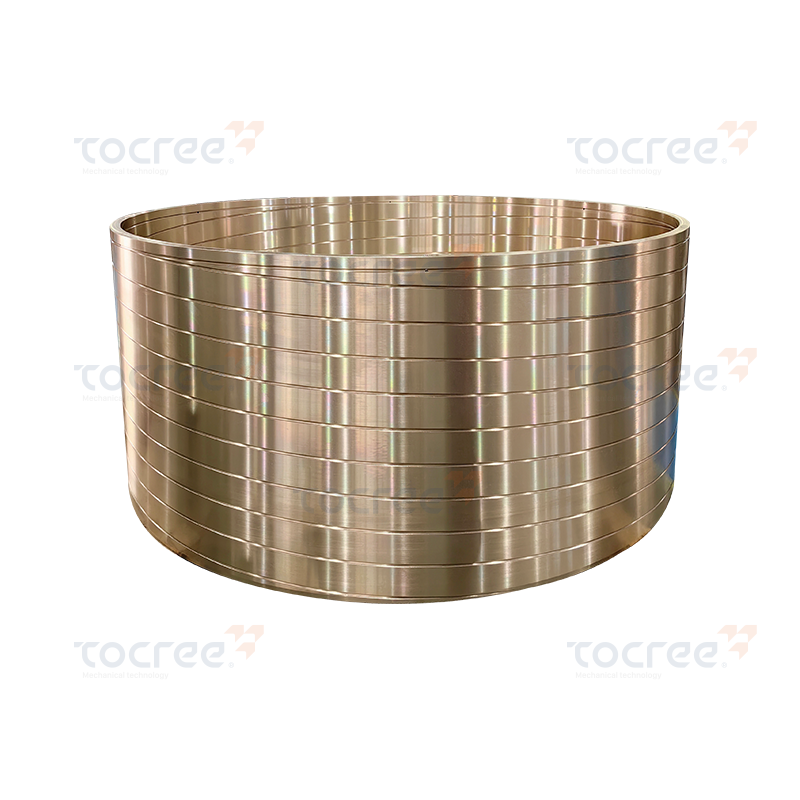
This bronze sleeve is made of tin bronze as the base material. The blank piece is produced through c...
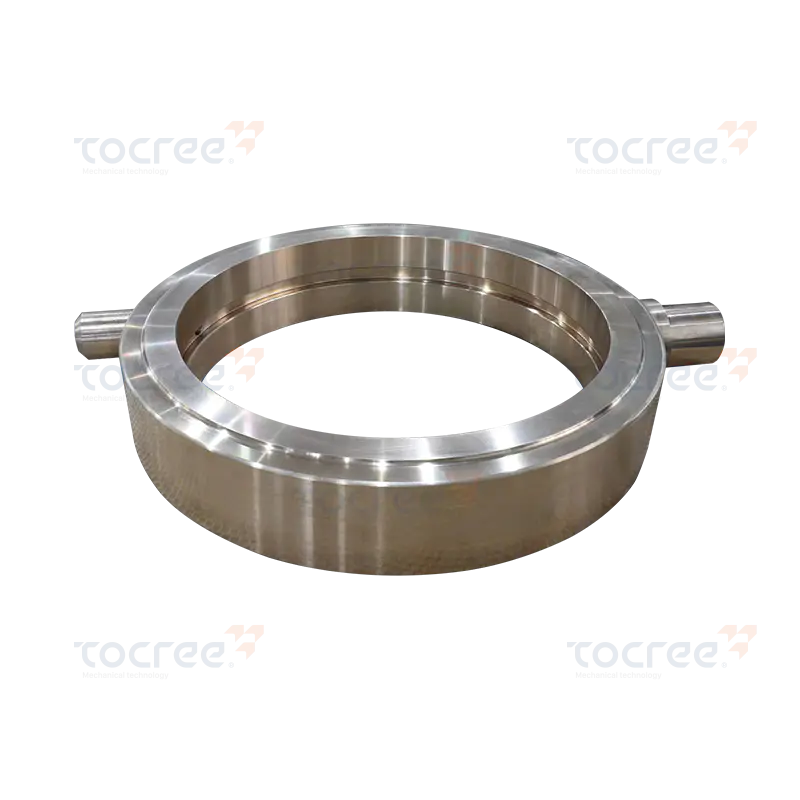
This copper-based oil drain ring is made from high-quality tin bronze through precise processing. It...
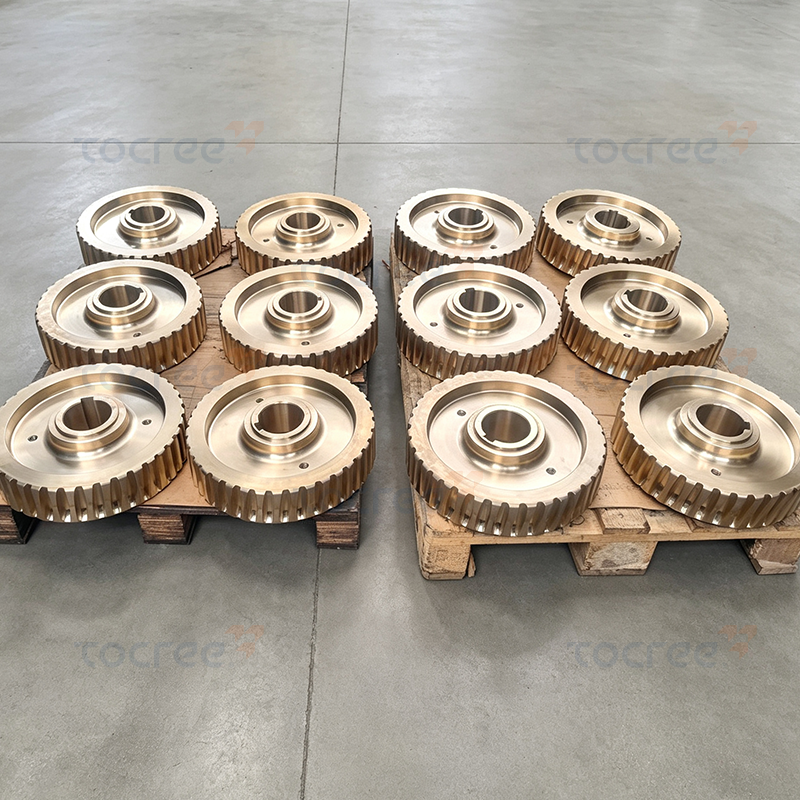
Product Overview This product is an Aluminum Bronze Worm Gear, precision-manufactured from high-stre...
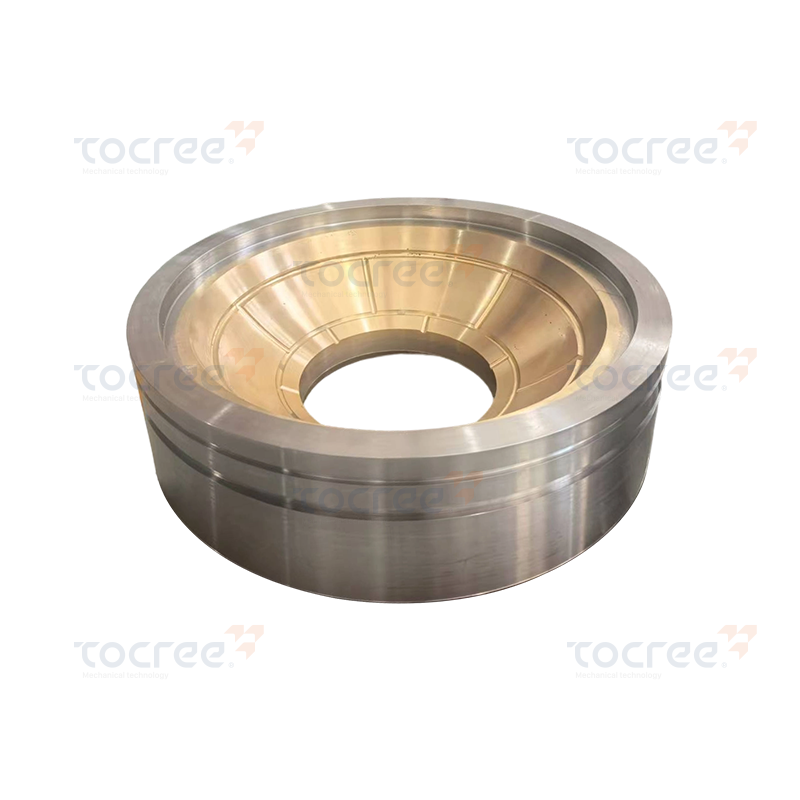
The Bronze-Steel Spherical Bushing is made of 42CrM04 alloy steel and high-strength brass, offering ...
Copyright © 2025 Jiashan Tocree Machinery Co., Ltd. All Rights Reserved.
Customized Copper Alloys Machinery Parts
