

 English
 中文简体
中文简体 Deutsch
 عربى
عربىFor any questions and feedback from customers, we will reply patiently and meticulously.
This copper-based oil drain ring is made from high-quality tin bronze through precise processing. It...
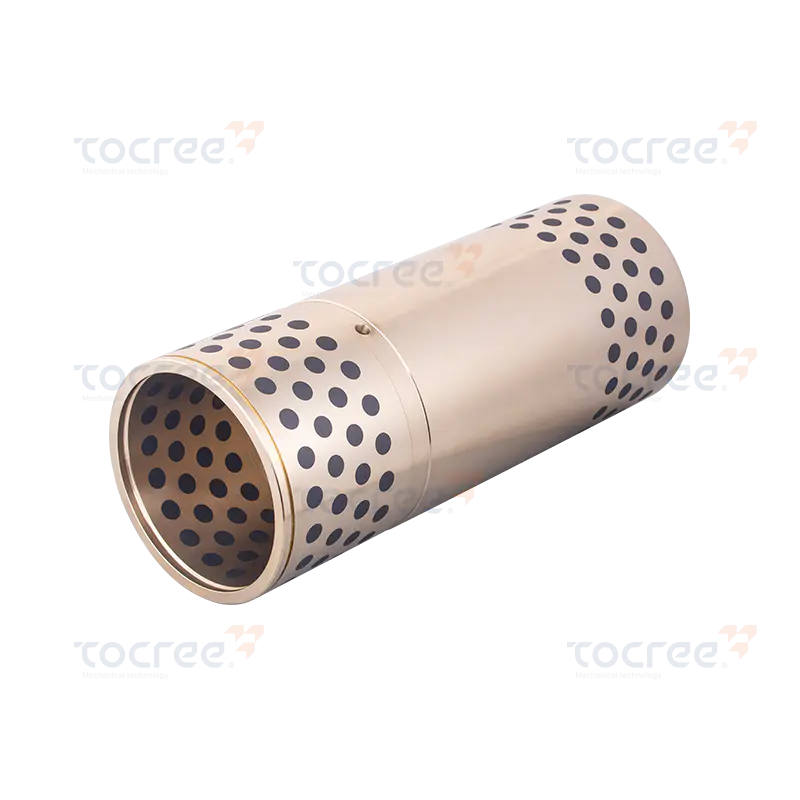
An oil-free shaft sleeve — also called an oilless shaft sleeve, self-lubricating bushing, or dry bearing sleeve — is a cylindrical mechanical component designed to support and guide rotating or sliding shafts without requiring any external lubrication. Unlike traditional bronze or steel bushings that depend on oil films or grease packing to reduce friction, an oil-free shaft sleeve contains solid lubricants embedded directly into its base material. These lubricants are gradually released during operation, forming a thin, self-renewing film between the sleeve and the shaft.
The concept sounds simple, but the engineering behind it is quite refined. The base material — typically sintered bronze, cast iron, polymer composite, or graphite — is selected specifically for its load-bearing strength, while the lubricating agents (commonly graphite, PTFE, or molybdenum disulfide) are infused or inlaid in a controlled pattern. This combination allows the sleeve to operate continuously under load and motion, even in environments where applying oil or grease is impractical or impossible.
The performance of a self-lubricating shaft sleeve depends heavily on its material composition. Different applications demand different material properties, so manufacturers offer a wide range of base and lubricant material combinations. Here's a breakdown of the most common types:
| Material Type | Lubricant Embedded | Best For |
| Sintered Bronze | Graphite plugs or PTFE | Medium load, wide temp range |
| Cast Iron | Graphite inserts | Heavy loads, high temperatures |
| Polymer / Plastic Composite | PTFE, MoS2 | Light loads, corrosive environments |
| Graphite / Carbon | Inherently self-lubricating | Extreme temperatures, steam, chemicals |
| Bimetallic (Steel + Bronze Layer) | PTFE-filled surface layer | High precision, compact designs |
Each material brings trade-offs in cost, temperature resistance, load capacity, and chemical compatibility. For most industrial machinery, sintered bronze with graphite plugs is the most widely used solution due to its excellent balance of strength, thermal conductivity, and proven lubrication performance.
The self-lubricating mechanism in an oilless shaft sleeve is not magic — it's a well-understood tribological process. When the shaft begins to rotate or slide inside the sleeve, frictional heat and mechanical contact cause small amounts of the embedded lubricant to transfer onto the shaft surface. This creates a microscopically thin lubricating film that dramatically reduces metal-to-metal contact and friction.
Over time, this film becomes self-sustaining. The shaft carries a small residue of lubricant, which gets replenished each time it contacts fresh lubricant-rich zones in the sleeve. This is why these components are often described as "maintenance-free" — under normal operating conditions, no operator intervention is needed to keep the lubrication active.
The defining advantage of a maintenance-free shaft bushing is its ability to function reliably in places where traditional lubrication is impractical. This makes oilless shaft sleeves essential across a surprisingly wide range of industries and applications.
In production environments, continuous operation is king. Press machines, conveyor systems, injection molding equipment, and automated assembly lines all rely on oilless sleeve bearings to minimize downtime. Because stopping a production line to relubricate bearings is costly, the self-lubricating design pays for itself quickly.
Oil contamination is a serious concern in food processing facilities. Even food-grade lubricants are subject to strict regulations and monitoring. Oil-free shaft sleeves eliminate this risk entirely, making them the preferred choice for conveyor guides, packaging machinery, filling stations, and mixing equipment in food plants.
Standard grease breaks down above roughly 150–200°C. Graphite-based oilless shaft sleeves, by contrast, can operate continuously at temperatures exceeding 400°C. This makes them invaluable in furnace equipment, kilns, steel mills, and other high-heat industrial processes where conventional bearing lubrication simply fails.
Farm machinery, construction equipment, and outdoor power tools are regularly exposed to dust, mud, moisture, and wide temperature swings — all of which wash away oil and degrade grease rapidly. Dry bearing sleeves in these applications provide consistent performance without the need for regular re-greasing schedules.
In vehicles, self-lubricating bushings appear in suspension components, steering linkages, pedal assemblies, door hinges, and seat mechanisms. Their compact size, quiet operation, and zero-maintenance characteristics make them ideal for components that need to last the lifetime of a vehicle without service.
It's worth understanding the real-world trade-offs between oilless and conventionally lubricated shaft sleeves before choosing one for your application.
| Feature | Oil-Free Shaft Sleeve | Traditional Lubricated Bushing |
| Maintenance Required | None (self-lubricating) | Regular re-lubrication needed |
| Operating Temperature | Up to 400°C+ (graphite type) | Limited by lubricant grade (~200°C) |
| Contamination Risk | None | Oil/grease leakage possible |
| Load Capacity | Moderate to high | Can be very high with proper lubrication |
| Initial Cost | Slightly higher | Lower upfront cost |
| Total Lifecycle Cost | Lower (no maintenance labor) | Higher (ongoing maintenance cost) |
| Suitable for Food/Medical | Yes | Requires food-grade lubricant |
Selecting the correct self-lubricating shaft sleeve involves more than just matching bore diameter to shaft size. You need to evaluate several application-specific parameters to ensure long service life and reliable performance.
Every oil-free sleeve has a maximum PV rating expressed in MPa·m/s or psi·ft/min. Calculate the bearing pressure (load divided by projected area) and multiply by the sliding velocity. If your calculated PV exceeds the sleeve's rating, you need a larger sleeve, a stronger material, or a different design approach.
Polymer-based sleeves are cost-effective but typically limited to around 100–150°C continuous operation. For elevated temperatures, step up to sintered bronze with graphite, cast iron with graphite, or full graphite/carbon sleeves. Always account for peak temperatures, not just average operating conditions.
Exposure to water, chemicals, dust, or UV radiation can significantly affect sleeve performance. Bronze sleeves resist many chemicals but can corrode in acidic environments. Polymer composite sleeves are often a better fit for wet or chemically aggressive conditions, while graphite sleeves excel in steam and oxidizing atmospheres.
The shaft must be harder than the sleeve. Hardened steel (HRC 45+) is the standard pairing for most metal-based oilless sleeves. Stainless steel shafts work well with polymer sleeves. Also verify that shaft surface roughness falls within the recommended range — typically Ra 0.4 to 0.8 µm — to ensure proper lubricant film transfer without excessive abrasion.
Oilless sleeves require a specific running clearance between the inner bore and the shaft. This clearance — usually 0.02 to 0.08 mm depending on shaft diameter and material — allows the lubricant film to form properly. Too tight and the sleeve overheats; too loose and you get vibration and noise. Always consult the manufacturer's fit tolerance tables for the specific sleeve type.
Even the best oil-free shaft sleeve will underperform if installed incorrectly. These practical tips will help ensure a long, trouble-free service life:
Although oilless shaft sleeves are designed for long service life, they are wear components and will eventually need replacement. Recognizing the early warning signs prevents unexpected failures and costly downtime.
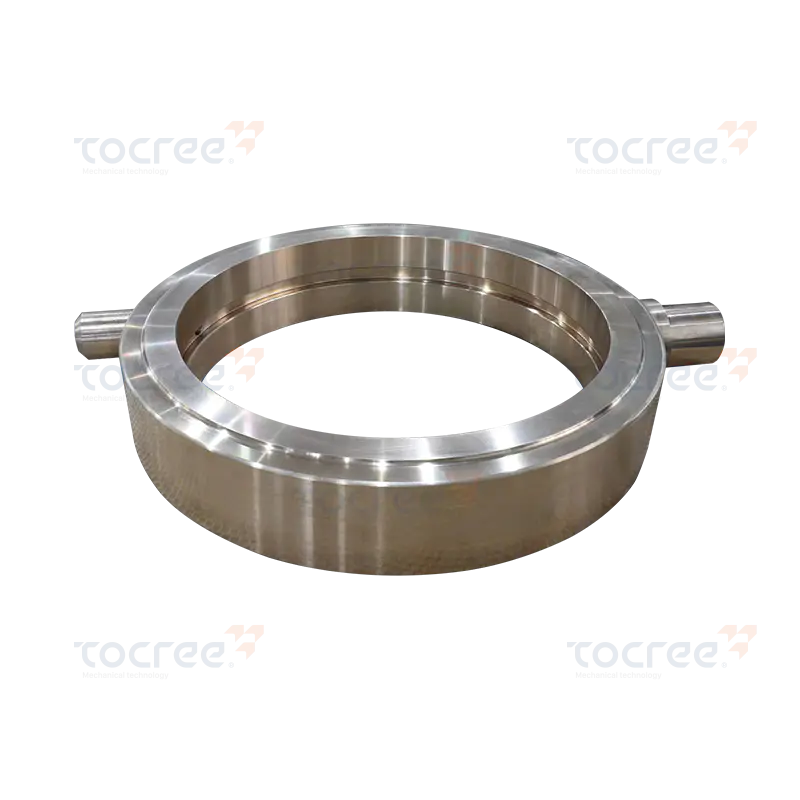
This copper-based oil drain ring is made from high-quality tin bronze through precise processing. It...
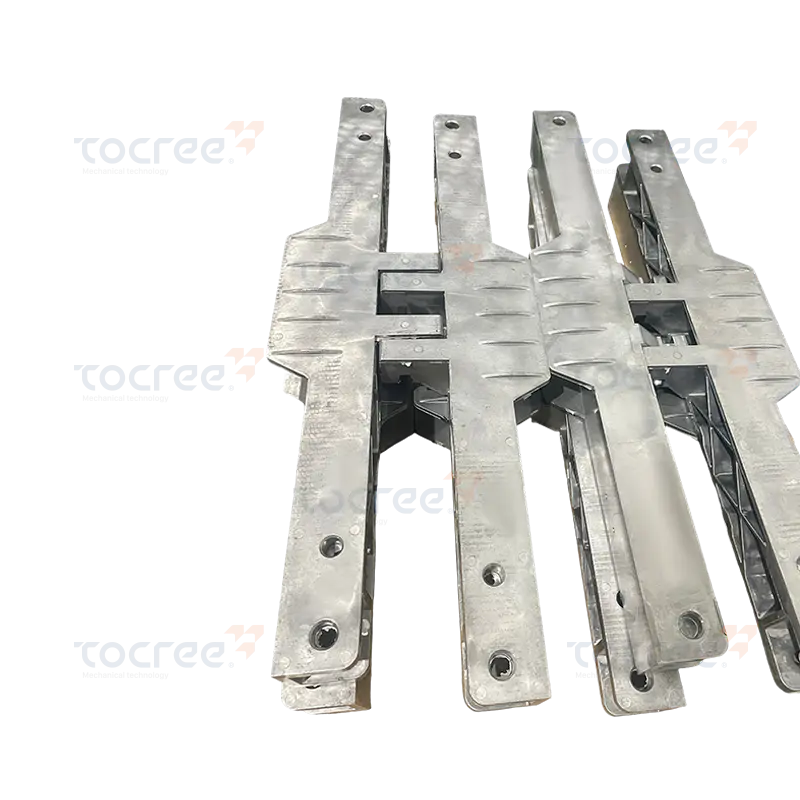
This aluminum alloy frame is specially designed to meet the application requirements of the vehicle....
Copyright © 2025 Jiashan Tocree Machinery Co., Ltd. All Rights Reserved.
Customized Copper Alloys Machinery Parts
